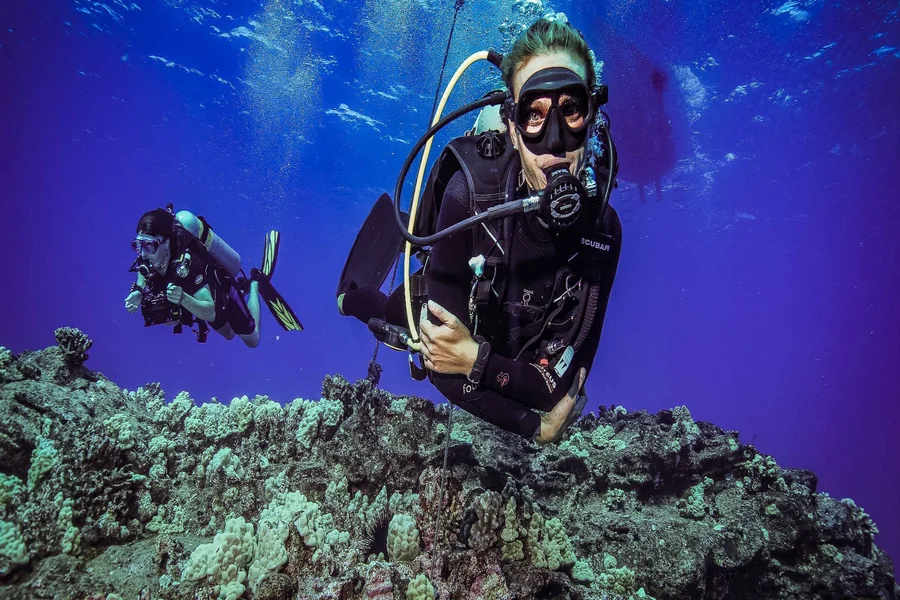
The Pacific Ocean holds some of the most diverse marine ecosystems on Earth, and few places showcase that diversity as vividly as the waters surrounding the Hawaiian island of Maui. Known for its volcanic landscapes, coral reefs, and vibrant marine life, the island has become one of the most respected destinations for underwater exploration. For marine enthusiasts, oceanographers, and recreational divers alike, Maui scuba diving offers an opportunity to observe complex ecosystems in their natural habitat.
The waters around Maui provide a unique combination of warm temperatures, high visibility, and diverse reef structures formed by volcanic activity. These conditions allow divers to experience an extraordinary range of marine species while also studying ecological interactions that are rarely visible on land. As marine conservation awareness continues to grow, scuba diving in regions like Maui also plays an important role in educating visitors about ocean ecosystems and the importance of protecting them.
The Unique Marine Environment Surrounding Maui
Maui lies within the Hawaiian archipelago, which formed through volcanic activity over millions of years. This geological origin has shaped the underwater terrain, creating lava tubes, dramatic drop-offs, coral reefs, and submerged craters. These formations serve as habitats for a wide variety of marine organisms.
Scientific research conducted by organizations such as National Oceanic and Atmospheric Administration (NOAA) highlights the ecological richness of Hawaiian reef systems. According to NOAA studies, Hawaiian coral reefs support more than 7,000 marine species, and approximately 25 percent of these species are endemic, meaning they are found nowhere else on Earth. This remarkable biodiversity is one reason why Maui scuba diving is considered both scientifically valuable and visually extraordinary.
Water temperatures in Maui typically range from 24°C to 27°C (75°F to 81°F) throughout the year. Combined with underwater visibility that often exceeds 30 meters (100 feet), these conditions create ideal circumstances for both beginner and advanced divers. The calm waters around many of Maui’s dive sites also allow researchers and recreational divers to observe marine life with minimal disturbance.
Coral Reef Ecosystems and Marine Biodiversity
Coral reefs serve as the foundation of the underwater ecosystem around Maui. These reefs provide shelter, breeding grounds, and feeding areas for thousands of marine species. Healthy coral formations help maintain biodiversity and support the overall stability of the marine environment.
Among the species commonly encountered during Maui scuba diving are reef fish such as butterflyfish, angelfish, and parrotfish. Larger animals, including green sea turtles and reef sharks, are also frequently observed. The Hawaiian green sea turtle, known locally as the “Honu,” is protected under the U.S. Endangered Species Act and is considered a symbol of marine conservation in Hawaii.
Marine biologists have long studied reef ecosystems around Maui to understand how coral communities respond to environmental changes. Research published by institutions such as University of Hawaiʻi at Mānoa indicates that coral reefs in Hawaii are sensitive to ocean temperature fluctuations, pollution, and overfishing. These studies emphasize the importance of responsible diving practices to ensure that human activities do not damage fragile reef structures.
Divers are often encouraged to follow guidelines that prevent coral contact, avoid feeding wildlife, and maintain neutral buoyancy to protect reef habitats. These practices allow divers to observe marine life while minimizing ecological impact.
Geological Features Beneath the Surface
The underwater landscapes around Maui are shaped by volcanic history. Millions of years ago, lava flows from underwater volcanoes cooled and solidified, forming the rocky seabed that divers explore today. Over time, marine organisms colonized these formations, transforming them into thriving reef systems.
One notable geological feature associated with Maui scuba diving is the partially submerged volcanic crater of Molokini Crater. This crescent-shaped formation lies several miles off Maui’s southern coast and is widely studied for its unique marine environment. The crater’s shape protects the interior reef from strong ocean currents, creating a sheltered habitat for coral growth and fish populations.
Another prominent dive region is Lanai, located west of Maui. The underwater terrain surrounding this island includes lava arches, caverns, and lava tubes formed during ancient eruptions. These structures provide habitats for moray eels, octopuses, and reef fish, while also offering divers an opportunity to study volcanic geology beneath the ocean.
The combination of geological formations and biological diversity makes the region a valuable natural laboratory for marine scientists studying ocean ecosystems.
Seasonal Marine Encounters
Seasonal changes also influence marine life around Maui. Between December and April, one of the most remarkable ocean events occurs when Humpback whale populations migrate from the cold waters of Alaska to the warm Hawaiian seas to breed and give birth.
While whales are usually observed from the surface rather than during dives, their presence contributes to the overall ecological significance of the region. According to the Hawaiian Islands Humpback Whale National Marine Sanctuary, thousands of humpback whales travel nearly 5,000 kilometers each year to reach Hawaiian waters.
During other seasons, divers may encounter manta rays, eagle rays, and reef sharks gliding through Maui’s coastal waters. The abundance of marine life is closely linked to the island’s healthy reef systems and the protection provided by marine conservation policies.
These seasonal variations enhance the experience of Maui scuba diving, as divers may observe different species depending on the time of year.
The Role of Professional Dive Training
Scuba diving requires proper training and adherence to safety procedures. Professional certification programs ensure that divers understand equipment operation, underwater communication, and emergency protocols. Organizations such as Professional Association of Diving Instructors (PADI) and Scuba Schools International (SSI) have established internationally recognized standards for dive education.
Training programs typically cover subjects such as pressure effects on the body, buoyancy control, dive planning, and marine conservation. These skills are particularly important when exploring reef environments like those around Maui, where careful movement helps protect delicate coral formations.
Educational programs also emphasize environmental awareness. Divers are taught to recognize marine species, respect wildlife boundaries, and avoid behaviors that could harm the ecosystem. This approach aligns recreational diving with broader conservation goals.
For individuals interested in marine science or underwater photography, professional instruction can also improve observation skills and allow divers to document marine ecosystems responsibly.
Environmental Conservation and Responsible Diving
Coral reefs worldwide face increasing threats from climate change, ocean acidification, and pollution. According to research published by the International Union for Conservation of Nature (IUCN), approximately 14 percent of global coral reefs were lost between 2009 and 2018 due to rising ocean temperatures and bleaching events.
In Hawaii, conservation programs aim to protect marine ecosystems through sustainable tourism practices and environmental regulations. Many dive operators collaborate with conservation organizations to educate divers about reef protection and marine biodiversity.
Responsible Maui scuba diving includes simple but essential practices. Divers are encouraged to maintain proper buoyancy, avoid touching marine organisms, and refrain from collecting shells or coral fragments. Sunscreen products that contain harmful chemicals are often discouraged near reef environments, as these substances can contribute to coral stress.
Local initiatives also promote reef restoration and monitoring programs. Citizen science projects sometimes allow divers to assist researchers by recording fish populations or coral health data. These collaborative efforts help scientists track environmental changes while involving the diving community in conservation work.
Scientific Research and Ocean Education
The waters surrounding Maui have long attracted marine scientists studying coral reefs, fish behavior, and ocean ecosystems. Research vessels and underwater monitoring systems regularly collect data to understand how environmental changes affect marine habitats.
Institutions including the National Science Foundation and the Hawaii Institute of Marine Biology support long-term studies of Hawaiian marine ecosystems. These research programs investigate topics such as coral resilience, reef fish population dynamics, and the impact of climate variability on ocean habitats.
Educational outreach programs often connect scientific research with public awareness. Divers who participate in guided underwater exploration frequently gain firsthand insight into the complexity of coral reef ecosystems. Observing marine life in its natural environment can deepen understanding of ecological relationships and highlight the importance of ocean stewardship.
The integration of science and recreation helps ensure that Maui scuba diving contributes not only to tourism but also to environmental education and conservation awareness.
Preparing for a Scuba Diving Experience in Maui
Before participating in scuba diving activities, individuals should ensure they meet basic health and safety requirements. Diving involves exposure to increased water pressure, which affects the body in ways that require training and preparation.
Medical organizations such as Divers Alert Network (DAN) recommend that divers complete proper certification courses and undergo medical evaluations if they have underlying health conditions. Adequate hydration, physical fitness, and familiarity with dive equipment are also important factors for safe underwater exploration.
Equipment used in scuba diving typically includes a buoyancy control device, regulator, air tank, wetsuit, mask, fins, and dive computer. Professional training programs teach divers how to inspect and maintain this equipment to ensure reliable performance during dives.
Environmental conditions should also be considered when planning a dive. Factors such as tides, currents, and weather patterns can influence underwater visibility and safety. Professional dive guides often monitor these conditions closely to ensure safe and responsible diving practices.
A Window into the Ocean’s Complexity
The underwater world surrounding Maui represents one of the most fascinating marine environments in the Pacific Ocean. Coral reefs, volcanic formations, and seasonal wildlife migrations combine to create a complex ecosystem that supports thousands of species.
Through responsible exploration and professional training, Maui scuba diving provides an opportunity to observe these ecosystems firsthand while promoting awareness of ocean conservation. Scientific research continues to reveal new insights into reef biodiversity, climate impacts, and marine behavior, making the region an important location for both recreation and study.
As interest in marine ecosystems grows, educational diving experiences play a valuable role in connecting people with the natural world. By observing coral reefs, studying marine life, and respecting environmental guidelines, divers can contribute to the protection of these fragile ecosystems while gaining a deeper appreciation for the ocean’s remarkable diversity.