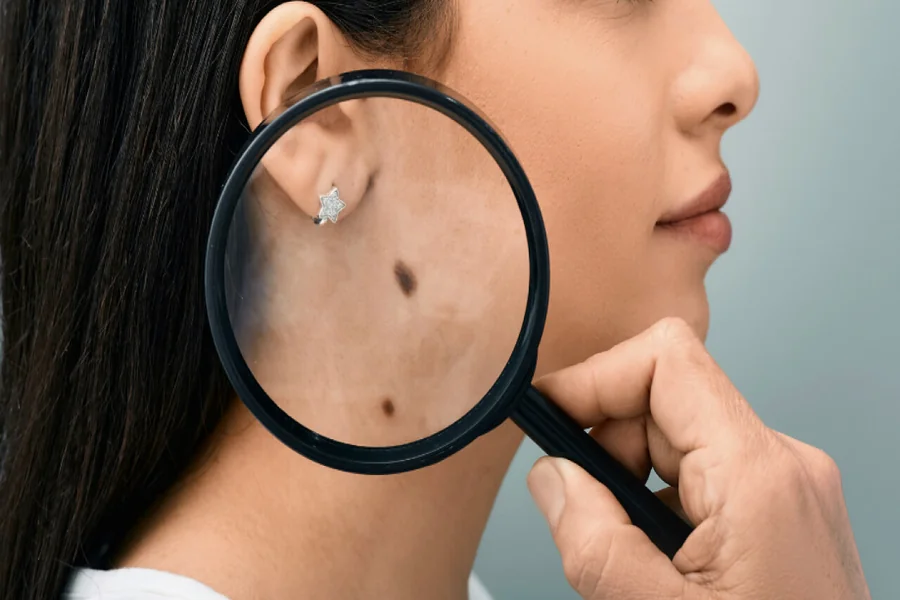
Melasma is a common skin pigmentation condition that often develops during pregnancy, causing patches of brown or grey-brown discolouration on the face. Due to its characteristic appearance, it is frequently referred to as the “mask of pregnancy.” The condition most commonly affects areas such as the cheeks, forehead, nose, and upper lip, although the extent and severity can vary from person to person.
While melasma is not harmful, many individuals find it frustrating because of its impact on their appearance and self-confidence. As a result, those experiencing persistent pigmentation may start searching for a top melasma clinic to explore their treatment options. But, can a top melasma clinic in Singapore help manage pregnancy-related melasma safely and effectively? Understanding the causes of melasma and the available management approaches can help patients make more informed decisions about their skin health.
Why Does Melasma Develop During Pregnancy?
Pregnancy-related melasma is primarily linked to hormonal changes that occur during pregnancy. Increased levels of hormones such as oestrogen and progesterone can stimulate melanocytes, the cells responsible for producing melanin, which gives skin its colour. When these cells become overactive, excess pigment can accumulate in certain areas of the skin, resulting in the characteristic patches associated with melasma. This explains why the condition often appears or becomes more noticeable during pregnancy.
However, hormones are not the only factor involved. Sun exposure can significantly worsen melasma, as ultraviolet (UV) radiation stimulates additional melanin production. Individuals with a family history of melasma or naturally darker skin tones may also be more susceptible to developing the condition. In many cases, pregnancy acts as a trigger that brings together multiple contributing factors, leading to the appearance of pigmentation that may not have occurred otherwise.
Does Pregnancy-Related Melasma Go Away on Its Own?
For some individuals, pregnancy-related melasma may gradually fade after childbirth as hormone levels return to their pre-pregnancy state. In mild cases, the pigmentation can become less noticeable within several months, particularly when combined with consistent sun protection and appropriate skincare. However, the degree of improvement varies widely from person to person, and there is no guarantee that melasma will disappear completely without intervention.
In other cases, the pigmentation may persist long after pregnancy or even become a long-term concern. Factors such as continued sun exposure, genetic predisposition, and the depth of pigmentation within the skin can influence how long melasma remains visible. It is also important to understand that melasma differs from temporary skin darkening that resolves quickly on its own.
How Can a Top Melasma Clinic Assess Pregnancy-Related Melasma?
An accurate diagnosis is an important part of managing pregnancy-related melasma, as not all facial pigmentation is caused by melasma. Certain conditions, such as post-inflammatory hyperpigmentation, sunspots, or other pigmentary disorders, can appear similar at first glance but may require different treatment approaches.
During a consultation at a top melasma clinic, the evaluation typically includes several key aspects:
- Pigmentation pattern and distribution: The doctor examines where the pigmentation appears on the face and how symmetrical or diffuse it is.
- Depth of pigmentation: Determining whether the melasma is epidermal, dermal, or mixed helps guide treatment choices and expected outcomes.
- Medical and pregnancy history: Current pregnancy status, breastfeeding considerations, hormonal history, and past episodes of pigmentation are reviewed.
- Skin type and sensitivity: Individual skin characteristics can influence how the skin responds to treatment.
- Previous treatments or skincare use: Any prior use of topical agents, procedures, or home remedies is taken into account to avoid ineffective or unsuitable combinations.
This structured evaluation allows recommendations to be tailored more precisely to the individual’s condition.
What Treatment Options May Be Available?
Management of pregnancy-related melasma depends heavily on safety considerations, especially during pregnancy and breastfeeding. In many cases, the approach is cautious and focuses on reducing triggers while supporting skin health, rather than aggressive intervention.
Common options that may be considered include:
- Strict sun protection measures: Broad-spectrum sunscreen, hats, and avoidance of direct sun exposure are often the foundation of any melasma management plan.
- Pregnancy-safe topical skincare: Certain gentle brightening or barrier-supporting ingredients may be recommended, while stronger prescription agents are typically avoided during pregnancy.
- Post-pregnancy medical treatments: After delivery (and depending on breastfeeding status), options may expand to include prescription topical agents or combination therapies.
- Procedural treatments: In selected cases after pregnancy, treatments such as chemical peels or laser-based therapies may be considered under careful supervision.
- Combination approaches: Melasma often responds best to a layered strategy that combines skincare, procedural treatments, and long-term maintenance planning.
A top melasma clinic will typically adjust recommendations based on whether the patient is currently pregnant, postpartum, or planning future pregnancies, as well as the severity and depth of pigmentation.
What Results Can Patients Expect?
Pregnancy-related melasma varies significantly in how it responds to management, and results are often gradual rather than immediate. Some patients may notice mild improvement within a few months, especially when sun protection and appropriate skincare are consistently followed. However, deeper or more persistent pigmentation may take longer to improve and may require a combination of approaches over time.
Melasma is a chronic condition for many individuals, and while it can often be improved, complete and permanent clearance is not always achievable. Fluctuations can occur, particularly with hormonal changes, sun exposure, or discontinuation of maintenance care. In a top melasma clinic, patients are typically guided on the following expectations:
- Improvement tends to be gradual rather than sudden
- Multiple treatment sessions or steps may be required
- Maintenance is often necessary to prevent recurrence
- Results vary depending on skin type, depth of pigmentation, and lifestyle factors
Conclusion
Pregnancy-related melasma is a common but often persistent form of facial pigmentation triggered by hormonal changes, sun exposure, and individual skin factors. While some cases may improve naturally after pregnancy, others can linger and require structured management to achieve visible improvement. To book a consultation or speak with the clinic about melasma assessment and treatment options, you may contact:
One Face Clinic – Pigmentation | Melasma Treatment | Acne Singapore
1 Tras Link, #02-01 Orchid Hotel Singapore, Singapore 078867 | +65 6222 2262