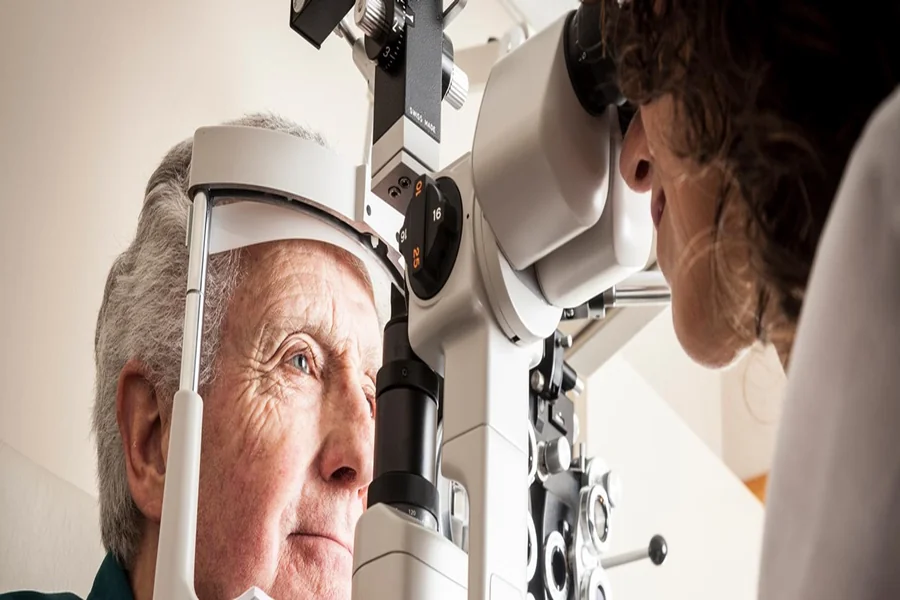
Photodynamic therapy, often called PDT, is a targeted eye treatment that may help some seniors slow down certain kinds of vision damage. For older adults who want to stay independent, keep reading comfortably, and recognize faces with confidence, protecting eyesight can feel just as important as protecting mobility.
In assisted living communities, changes in vision can affect everything from medication routines to social activities, which is why seniors and their families often look for treatments that can preserve everyday function for as long as possible. PDT is not the right fit for every eye condition, but for specific diagnoses, it may offer a meaningful way to delay further vision loss.
What Photodynamic Therapy Is and How It Works
Photodynamic therapy is a two-step procedure designed to treat abnormal blood vessels in or under the retina, which can leak fluid or blood and damage central vision. During PDT, an eye specialist injects a light-activated medicine into a vein, usually in the arm, and that medicine travels through the bloodstream, including the tiny vessels in the eye.
After a short waiting period, the specialist shines a cool, low-power laser into the eye to activate the medication only in the targeted area. Once activated, the medication helps close off the problematic vessels while trying to limit harm to nearby healthy tissue. For seniors, the appeal of PDT is that it is localized and precise, with the goal of slowing retinal damage rather than affecting the whole body.
Which Vision Problems in Seniors May Benefit Most
PDT is most commonly associated with certain retinal diseases that involve abnormal vessel growth and leakage, especially specific forms of age-related macular degeneration. It has also been used in conditions such as central serous chorioretinopathy in selected cases, depending on the senior’s overall eye health and the pattern of retinal changes. The key point is that PDT is usually recommended when the underlying problem is driven by leaky or abnormal vessels that can be safely targeted with this approach.
Some seniors may be offered PDT alone, while others may be guided toward combination care, such as pairing PDT with other treatments when a doctor believes it could improve stability. Because eye conditions can look similar while behaving very differently, seniors benefit most when the diagnosis is confirmed through detailed retinal imaging rather than symptoms alone.
How PDT Could Help Delay Vision Loss Over Time
The main purpose of PDT is often to slow progression, reduce leakage, and protect remaining central vision for as long as possible. When leakage decreases, the retina may have a better chance to function without ongoing swelling or bleeding that can blur or distort sight. For seniors, that can translate into practical advantages such as reading larger print more easily, seeing contrast more clearly, and feeling safer when walking in unfamiliar places.
However, PDT is usually not described as a cure, and it may not restore vision that has already been permanently lost. Results can vary based on how early the problem is treated, how active the disease is, and whether the senior has other eye issues such as cataracts or diabetic changes. In many cases, the “win” of PDT is stability, meaning less decline over months and years, which can be a major quality-of-life benefit.
What Seniors Should Expect Before, During, and After Treatment
Before PDT, an eye specialist typically performs imaging tests to map the retina and confirm that the treatment target is appropriate. The procedure itself is usually done in an outpatient setting and is not typically lengthy, but seniors should plan for a day that includes preparation time and post-treatment instructions. After the treatment, the light-activated medicine can make skin and eyes more sensitive to bright light for a short period, so seniors are often advised to avoid direct sunlight and follow the clinic’s guidance carefully.
Follow-up visits matter because the specialist will check whether leakage has improved and whether additional treatment is needed. Seniors can also support their eye health by managing blood pressure, diabetes, and smoking exposure when relevant, since overall vascular health can influence the eyes. Most importantly, seniors should report any sudden vision changes right away, because urgent symptoms are not something to “watch and wait” on.
Conclusion
Photodynamic therapy can delay vision loss for some seniors, particularly when abnormal retinal blood vessels are part of the problem and the condition is diagnosed early enough for targeted treatment to help. While it may not restore lost sight, PDT may offer stability that supports safer movement, stronger independence, and more confident daily living.
Seniors benefit most when PDT is discussed as one option within a broader care plan, guided by imaging results and an eye specialist’s recommendations. With the right diagnosis, careful follow-up, and realistic expectations, PDT can be a meaningful tool for preserving vision and protecting quality of life.