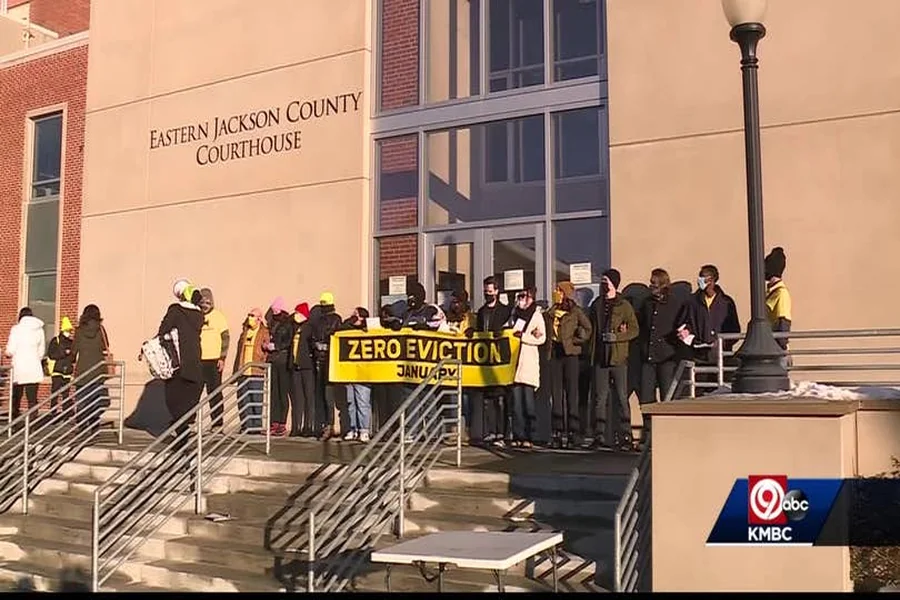
Facing eviction hits hard. It’s not just legal trouble—it’s your home, your routine, your sense of safety. If you’re in Kansas City, Missouri, the process follows a clear path. Still, it can feel confusing when you’re in the middle of it. Let me walk you through it—plain and simple.
First things first—what is Housing Court, really?
Kansas City Housing Court handles landlord-tenant disputes. Most cases involve unpaid rent or lease issues. The court moves fast. That surprises many people. You might expect weeks of back-and-forth. In reality, things can move in days. And here’s the thing—missing a single court date can cost you your home.
So, how does eviction actually start?
It often begins with a notice. Your landlord gives you a written demand. Usually, it asks for rent or tells you to leave. If nothing changes, the landlord files a case in court. Then you’ll get a summons. That paper matters. It tells you when to show up. Ignore it? The judge may rule against you by default.
The court day—what happens inside?
Walking into court can feel tense. People wait. Cases move quickly. Names get called one after another. When your case comes up, both sides speak. The landlord explains the claim. You get your turn too.
Be ready. Bring:
- Lease papers
- Payment records
- Any messages with your landlord
Even small details can matter more than you think. The judge then decides. Sometimes right away. Sometimes after a short review.
Wait…can you stop the eviction?
Yes. Sometimes. If the issue is unpaid rent, you may be able to pay what’s owed. This can pause or stop the eviction. But timing is everything. Once a judgment is entered, your options shrink fast. You know what? Many people don’t realize they can still speak up in court. Even if things feel stacked against them.
What happens after a judgment?
If the court rules for the landlord, a move-out order follows. This is often called a “writ.” You’ll get a short window to leave. Sometimes just days. If you stay past that date, law enforcement may step in. It’s tough. No sugarcoating it.
Where support comes in—more than just court
Here’s where things get a bit hopeful. Programs connected to Kansas City Specialty Courts focus on more than punishment. They look at the “why” behind problems—like missed rent tied to job loss, health issues, or family stress. That’s also where Beyond the Bench KC steps in. They support awareness and connect people to resources tied to Specialty Courts. Their mission is simple: real change starts with support, not just penalties. And honestly, that matters. Because eviction is rarely just about rent.
What should you do right now?
If eviction is on the table, don’t wait.
Start with small steps:
- Read every paper you receive
- Show up to court—always
- Ask about payment plans
- Look for local aid programs
- Talk to a legal aid group
Even one action can shift your situation.
A quick reality check (and a bit of reassurance)
Housing Court feels formal. It is formal. But it’s also human. Judges see real stories every day. Some are messy. Some are heartbreaking. You don’t need perfect words. Just be honest and prepared. And yes, the system can feel strict. But there are paths—sometimes narrow, but real.
FAQs: What People Ask Most About Eviction in Kansas City
- How long does the eviction process take in Kansas City?
It can move fast—often within a few weeks. After filing, court dates may come quickly. If a judgment is entered, you may have only days to move. Acting early can buy you more time or options.
- Can I stay in my home if I pay the rent late?
Sometimes, yes. If you pay what you owe before judgment, the case may stop. But once the court rules, it becomes harder. Always ask the court or a legal aid group about your options.
- What happens if I miss my court date?
Missing court is risky. The judge may rule in favor of the landlord right away. This is called a default judgment. If that happens, eviction can move forward quickly without your side being heard.
- Are there programs that can help prevent eviction?
Yes. Kansas City offers rental aid and support programs. Groups like Beyond the Bench KC also connect people to resources tied to rehabilitation and stability, especially through Specialty Courts.
- Will an eviction stay on my record?
Yes, in most cases. An eviction filing can show up in background checks. This can affect future housing. That’s why it’s worth fighting the case or seeking help early.