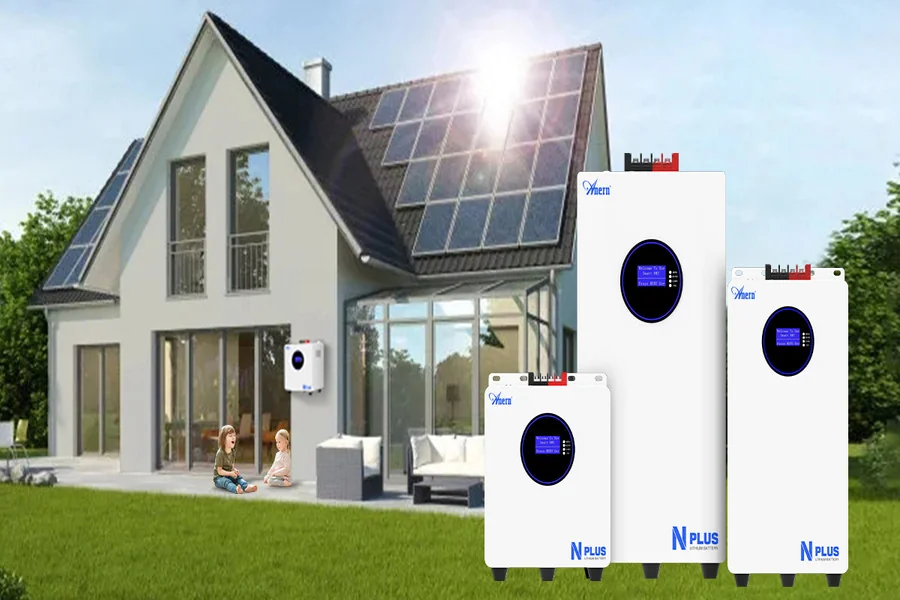
The solar inverter is one of the most important parts of any solar power system. It’s responsible for converting the DC power made by your panels into AC power, which is what your home primarily uses to power appliances and lights. Choosing the right inverter ensures efficiency, reliability, and optimum energy production during the system’s lifetime. Choosing the right one starts with understanding the key differences and which option best fits your needs.
Determine Your System’s Size
It’s extremely important that your inverter’s size matches the size of your system, so before you can choose an inverter, you need a clear understanding of your system’s size. Undersizing your inverter can limit performance, but oversizing means you’re spending more money on the inverter than you need to. Review your home’s energy usage, peak demand, and think about any future expansion plans to ensure that your inverter can handle not only your current needs, but your anticipated ones too.
Choose the Right Type of Inverter
There are actually several types of solar inverters, and they’re all best suited to different setups:
- String Inverters: These are the most common and cost-effective option, especially for residential systems. They connect a series, or string, of panels to one inverter. They tend to work best in systems that have consistent sunlight and minimal shading.
- Microinverters: These are miniature inverters installed on each individual panel. This allows for better system performance in those systems that are more affected by shading or that have panels mounted at different angles. They also offer more detailed monitoring, but they come at a higher upfront cost.
- Hybrid Inverters: These are best if you want to incorporate battery storage. Hybrid inverters can manage both solar generation and stored energy, so they’re a nice, flexible option for future energy storage upgrades.
Consider Efficiency and Performance Ratings
Inverter efficiency directly impacts how much usable electricity your system produces. Look for models with high efficiency ratings. Typically, you want 95% or higher. Additionally, look into the inverter’s performance in varying conditions, like temperature fluctuations, to see how these impact output.
Picking the right inverter will make a big difference in how your solar power system performs, so take the time to check your numbers, compare different models, and ensure you’re choosing the right model for your needs. By taking the time to choose the right Victron Energy inverter, you’ll get more from your investment and ensure that your system can support your energy needs.