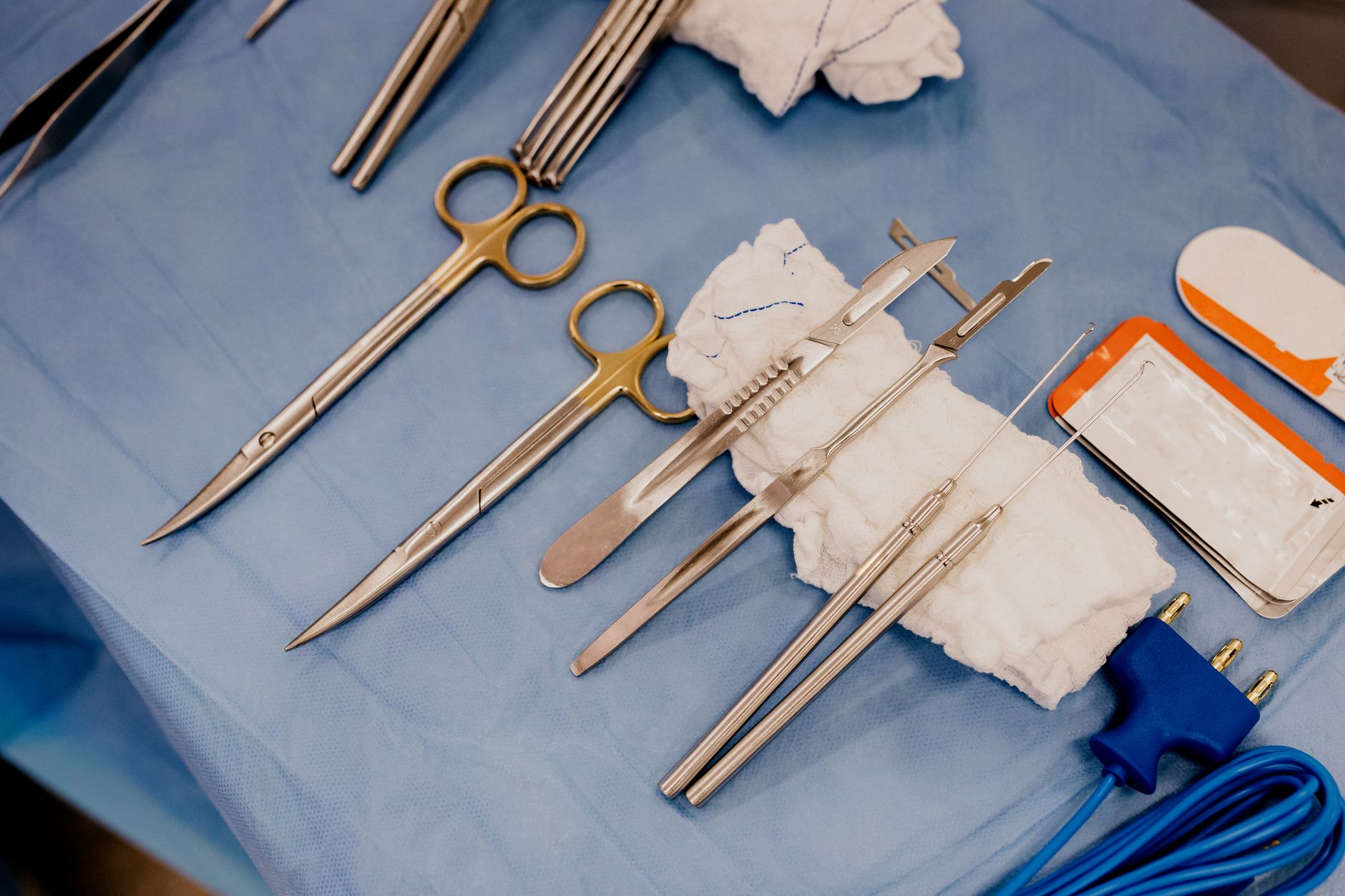
Gallstones are hardened deposits that can form inside the gallbladder, a small organ that stores and releases bile to help with digestion. They are relatively common, and some people may have gallstones without experiencing any symptoms at all. Importantly, being diagnosed with gallstones does not automatically mean you need gallbladder surgery. If the stones are not causing problems, your doctor may recommend monitoring them rather than treating them immediately.
However, repeated episodes of abdominal pain or complications such as inflammation or blockage may make surgery more appropriate. The recommended approach depends on factors including your symptoms, the location and characteristics of the gallstones, your medical history and overall health. For more information about gallstones and available treatment options, read here https://gallstonesdoctor.sg/gallstones/.
When Gallstones May Not Need Treatment
Not everyone with gallstones needs immediate treatment. In some cases, gallstones are discovered during an ultrasound or scan performed for an unrelated reason, and the person has never experienced typical symptoms such as upper abdominal pain, nausea or discomfort after eating. These are often referred to as asymptomatic gallstones.
When gallstones are not causing symptoms or complications, a doctor may recommend monitoring rather than proceeding directly to gallbladder surgery. However, this does not mean the condition should simply be ignored.
Non-Surgical Options For Managing Gallstones
Not every person with gallstones needs to undergo surgery. Depending on the symptoms, type of gallstones and overall health, a doctor may consider non-surgical approaches or recommend monitoring the condition. These options may include:
- Observation and monitoring: If gallstones are not causing symptoms, immediate treatment may not be necessary. Your doctor may recommend monitoring for any changes or new symptoms.
- Dietary and lifestyle measures: Some people find that reducing high-fat or trigger foods can help minimise discomfort and reduce the likelihood of symptoms after meals. However, diet does not remove existing gallstones.
- Medication: In selected cases, medication may be used to dissolve certain cholesterol gallstones. This approach can take months or longer and is not suitable for every type of gallstone.
- Treatment of related symptoms: Depending on the circumstances, your doctor may recommend medication or other measures to manage symptoms while assessing whether further treatment is needed.
Non-surgical management may be appropriate for some patients, but it does not necessarily eliminate the possibility of future gallstone attacks.
Gallbladder Surgery Vs Non-Surgical Treatment: How Is The Decision Made?
The choice between gallbladder surgery and non-surgical management is not the same for every patient. Doctors typically consider several factors before recommending a treatment approach:
- Whether you have symptoms: People with gallstones that cause repeated attacks of abdominal pain may be more likely to benefit from surgery, while those without symptoms may not need immediate treatment.
- Whether complications have occurred: Problems such as gallbladder inflammation, bile duct obstruction or gallstone-related pancreatitis can make surgery more strongly recommended.
- The severity and frequency of symptoms: Occasional mild symptoms may be managed differently from frequent or severe attacks that interfere with daily activities.
- The type and location of the gallstones: Not all gallstones respond to medication, and stones that have moved into the bile duct may require a different treatment approach.
- Your overall health: Age, existing medical conditions and fitness for surgery can all influence the recommendation.
- The likelihood of future problems: Your doctor may consider your individual risk of recurrent symptoms or complications when discussing whether to monitor the condition or remove the gallbladder.
It is important to understand that non-surgical management does not necessarily remove the underlying problem. Medication may only be suitable for selected patients, while dietary changes can help manage symptoms but generally do not dissolve existing gallstones.
When Gallbladder Surgery May Be Recommended
While some gallstones can be monitored or managed without surgery, gallbladder surgery may become appropriate when stones cause ongoing symptoms or complications. Common situations include:
- Repeated gallstone attacks: Frequent episodes of upper abdominal pain may indicate that the gallstones are causing ongoing problems.
- Gallbladder inflammation: Acute or recurrent cholecystitis may require removal of the gallbladder to prevent further episodes.
- Bile duct obstruction: A stone that blocks the bile duct can cause jaundice, infection or other complications requiring treatment.
- Gallstone-related pancreatitis: Gallstones can sometimes trigger inflammation of the pancreas and may lead to a recommendation for surgery.
- Symptoms affecting daily life: Persistent or recurring symptoms despite dietary measures may make surgery a more suitable long-term solution.
A doctor will consider symptoms, scan results, complications and overall health before recommending the most appropriate treatment.
What Gallbladder Surgery Involves
When surgery is recommended for symptomatic or complicated gallstones, the most common approach is laparoscopic cholecystectomy, which involves removing the gallbladder through several small incisions. A camera and specialised surgical instruments are inserted through these openings, allowing the surgeon to view and remove the gallbladder. Compared with traditional open surgery, the laparoscopic approach generally involves smaller incisions and may allow patients to recover more quickly.
In some situations, however, open surgery may be required, particularly when there is significant inflammation, scarring or other surgical complexity. Importantly, the goal is not simply to remove individual gallstones. Removing the gallbladder addresses the source of the stones and can help prevent further gallstone-related attacks.
What Should You Do If You Have Been Diagnosed With Gallstones?
A diagnosis of gallstones does not necessarily mean that you need immediate gallbladder surgery. The next step is to determine whether the stones are causing symptoms or complications and whether treatment is appropriate.
Consider discussing:
- Your symptoms: Note the location, frequency and severity of any abdominal pain, nausea or digestive discomfort.
- Your scan results: Ask what the imaging shows about the gallstones and gallbladder.
- Your treatment options: Find out whether monitoring, dietary measures, medication or surgery may be suitable.
- Warning signs: Seek prompt medical attention if you develop severe or persistent pain, fever, jaundice or repeated vomiting.
A proper assessment can help you understand whether your gallstones can be monitored safely or whether treatment may provide a better long-term solution.
Conclusion
Not all gallstones require gallbladder surgery. If stones are not causing symptoms, monitoring may be appropriate, while dietary measures or medication may be considered in selected situations. However, recurrent pain, inflammation, bile duct obstruction or other complications may make surgery a more suitable option.
The right treatment depends on your symptoms, scan findings, overall health and individual circumstances. If you have been diagnosed with gallstones or are experiencing recurring abdominal pain, you can arrange a consultation with our doctor, at:
Alpine Surgical Practice – Dr Aaron Poh | Colonoscopy | Gallstones Removal Singapore
Phone: 632 7323