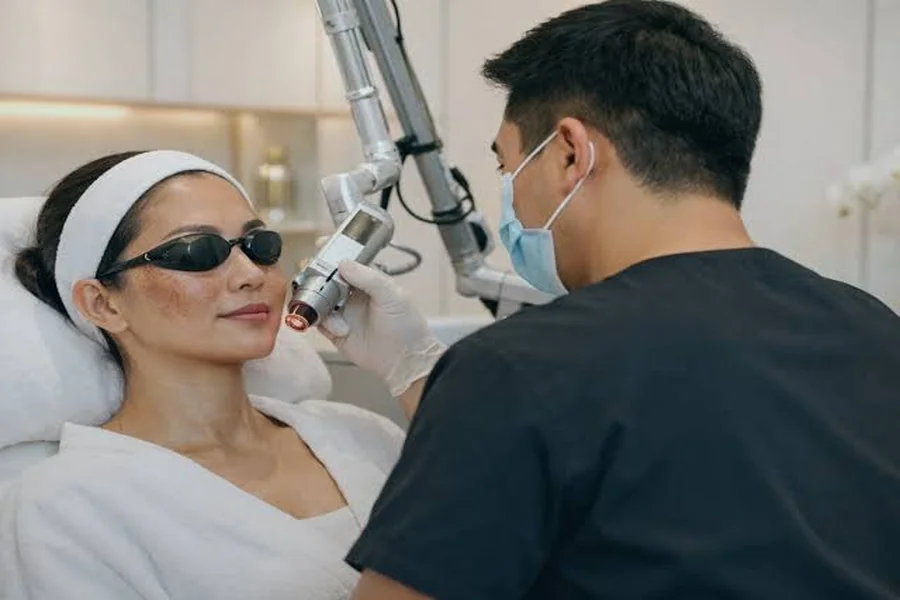
Melasma is a common pigmentation condition that causes brown or grey-brown patches to develop on the cheeks, forehead and upper lip. Sun exposure, hormonal changes and heat may contribute to its development or aggravate existing pigmentation, making it challenging to manage over time. For individuals exploring melasma removal Singapore, understanding the available treatment options is an important first step.
Topical medications, chemical peels and laser treatments may help improve the appearance of melasma, but each approach has different benefits, limitations and potential side effects. Treatment suitability depends on factors such as skin type, pigmentation severity and sensitivity, as certain procedures may worsen pigmentation if they cause excessive irritation. A dermatological assessment can help determine an appropriate treatment plan. Learn more about available skin treatments at https://apaxmedical.com/melasma-treatment/.
Understanding How Melasma Treatments Work
Melasma develops when melanocytes, the cells responsible for producing melanin, become overactive and cause excess pigment to accumulate in the skin. The pigmentation may affect superficial or deeper skin layers, which can influence how it responds to treatment. Before recommending an approach, a dermatologist will assess the appearance and distribution of the patches, skin type, medical history and possible triggers, including sun exposure and hormonal influences.
This assessment is important because other conditions, such as post-inflammatory hyperpigmentation, can resemble melasma but may require different management. While several treatments can help reduce the appearance of pigmentation, melasma can persist or recur even after improvement. The aim of treatment is therefore to control excess pigmentation, address contributing factors where possible and maintain results through appropriate skincare and sun protection.
Topical Treatments For Melasma
Topical medications are often considered as part of the initial approach to melasma management. Depending on the individual’s skin condition, a dermatologist may recommend ingredients such as hydroquinone, azelaic acid or tretinoin-containing formulations to help reduce pigmentation and improve uneven skin tone. Other pigment-targeting ingredients may also be considered based on skin sensitivity and treatment goals.
One advantage of topical treatments is that they can be incorporated into a home skincare routine without the downtime associated with some in-clinic procedures. However, results take time and consistent application may be necessary. Some ingredients can cause dryness, redness, peeling or irritation, which may worsen pigmentation in susceptible skin. Hydroquinone and tretinoin also require appropriate medical guidance, including consideration of contraindications and duration of use.
Chemical Peels For Melasma
Chemical peels are in-clinic procedures that use selected acids to exfoliate the skin and encourage the shedding of surface cells containing excess pigment. Depending on the individual’s skin condition, a dermatologist may consider peels containing ingredients such as glycolic acid or salicylic acid as part of a melasma treatment plan. These procedures may help improve superficial pigmentation and uneven skin tone, particularly when combined with appropriate topical treatments.
However, chemical peels are not suitable for everyone and must be selected carefully according to skin type, sensitivity and pigmentation severity. Potential side effects include redness, peeling, dryness and irritation. If a peel is too strong or causes significant inflammation, it may trigger post-inflammatory hyperpigmentation, making existing dark patches more noticeable. A dermatologist can determine the appropriate peel strength and treatment frequency, as well as provide aftercare instructions to support skin recovery and reduce the risk of complications.
Laser Treatments For Melasma
Laser treatments use targeted light energy to interact with pigment in the skin and may be considered for selected cases of melasma that have not responded adequately to other treatments. The choice of laser depends on factors such as pigmentation depth, skin type and previous treatment response. Although certain laser procedures may help reduce the appearance of dark patches, melasma can be challenging to treat because the pigment-producing cells may remain sensitive to triggers such as sunlight and heat.
Laser treatment can also cause redness, irritation and post-inflammatory hyperpigmentation, particularly in individuals with darker skin tones or when unsuitable settings are used. In some cases, pigmentation may temporarily become darker or recur after initial improvement. For these reasons, laser treatment should be carefully assessed and planned by a qualified medical professional.
Comparing Chemical Peels, Lasers And Topical Treatments
When considering melasma removal Singapore, the choice between topical medications, chemical peels and laser treatments depends on the individual’s pigmentation, skin sensitivity and response to previous treatments. Topical medications are often used as an initial approach because they can be incorporated into a daily skincare routine, although consistent use and medical supervision are important. Chemical peels may be considered to address superficial pigmentation, but the peel strength must be carefully selected to minimise irritation.
Laser treatments may be an option for selected patients, particularly when other approaches have not provided sufficient improvement, but they carry a risk of worsening pigmentation. These treatments are not interchangeable, and none guarantees permanent removal of melasma. A dermatologist may recommend one treatment or a combination of approaches based on clinical assessment. Factors such as treatment duration, cost, downtime and potential side effects should also be considered before deciding on a suitable plan.
Aftercare and Preventing Melasma Recurrence
Aftercare is essential for managing melasma and maintaining treatment results. Apply broad-spectrum sunscreen with at least SPF 30 daily and reapply as directed, particularly during prolonged outdoor activities. Tinted sunscreens containing iron oxides may offer additional protection against visible light, which can aggravate pigmentation. Wearing a wide-brimmed hat and seeking shade can further reduce sun exposure.
Use gentle skincare products and avoid excessive exfoliation, especially after chemical peels or laser treatments, as irritation may worsen pigmentation. Attend follow-up appointments to monitor progress and discuss maintenance options. Since melasma can recur, consistent sun protection and ongoing skincare remain important.
Conclusion
Melasma can be challenging to manage, but topical medications, chemical peels and laser treatments may help improve pigmentation when selected appropriately. The most suitable approach depends on your skin type, pigmentation severity and treatment history. As melasma can recur, consistent sun protection and appropriate aftercare are important for maintaining results. For personalised advice on pigmentation concerns and suitable treatment options, contact us, at: