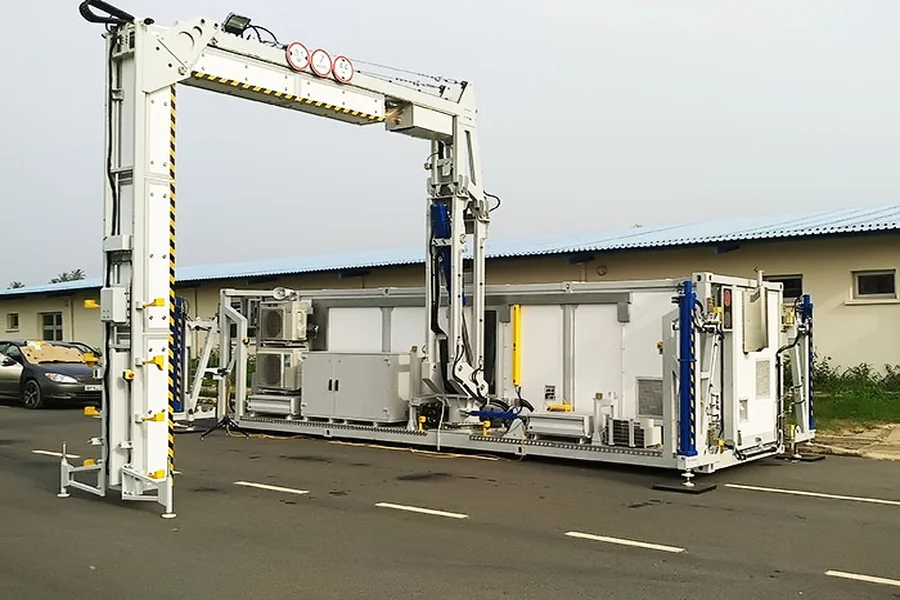
The need for robust security measures at border crossings has never been more critical. As global trade and international travel continue to rise, so too does the complexity of managing border security. One of the most significant advancements in this domain has been the integration of X-ray machines into border crossing operations. These machines are not just vital for identifying prohibited items; they enhance overall efficiency, streamline processes, and fortify national security.
The Evolution of Border Security Technology
Historically, border security relied heavily on manual inspections and physical searches, which were not only time-consuming but also prone to human error. As threats evolved—from smuggling and trafficking to terrorism—so too did the technologies used to combat these challenges. The introduction of X-ray machines revolutionized border security by providing a non-intrusive method of inspecting cargo, vehicles, and personal belongings. This technology allows for a detailed view of the contents without the need for disassembly or direct contact, significantly speeding up the inspection process.
X-ray machines utilize advanced imaging techniques to generate high-resolution images of objects and cargo. By using varying levels of radiation, these machines can differentiate between materials such as organic substances, metals, and dense items, allowing security personnel to identify potential threats quickly and accurately. With continual advancements in imaging technology, modern X-ray machines can produce 3D images and even utilize artificial intelligence to assist in identifying suspicious items.
Enhancing Security at Borders
The primary function of border crossing X-ray machines is to enhance security. These machines play a crucial role in detecting contraband, weapons, and other illicit items that could pose a threat to national security. By enabling staff to spot anomalies in cargo or personal belongings effectively, X-ray machines help to prevent dangerous goods from entering or leaving a country.
Moreover, X-ray machines are especially valuable in the fight against human trafficking and smuggling. They can reveal hidden compartments within vehicles or containers, providing law enforcement with essential information to investigate suspicious activities. Through the deployment of advanced scanning technology at key border points, nations can deter criminal activities and ensure safer border crossings.
Operational Efficiency and Time Savings
In addition to bolstering security, X-ray machines significantly enhance operational efficiency at border crossings. Traditional inspection methods can lead to long wait times and increased congestion, which can be frustrating for travelers and detrimental to trade. With the integration of X-ray machines, processing times are reduced, allowing for quicker inspections without sacrificing thoroughness.
For example, when a commercial truck loaded with goods approaches a border checkpoint, X-ray machines can scan the entire cargo load within minutes. In contrast, a manual inspection would require unloading and a detailed examination, which could take hours. By minimizing the time spent at border crossings, X-ray machines not only improve the experience for travelers but also facilitate smoother trade operations, which is particularly crucial in a global economy.
Facilitating International Trade
In an era where global trade is pivotal for economic growth, the efficiency of border crossing operations directly impacts international commerce. X-ray machines play a vital role in expediting the movement of goods across borders, reducing delays associated with inspections. By ensuring that cargo is scanned quickly and accurately, these machines contribute to a seamless flow of trade while maintaining high security standards.
Customs authorities can also leverage data obtained from X-ray scans to identify trends and patterns related to smuggling or other illegal activities. This intelligence can help refine inspection protocols, focusing resources on higher-risk shipments while expediting the processing of lower-risk cargo. Consequently, businesses benefit from reduced shipping times and lower operational costs, ultimately fostering a more competitive market.
Integrating Advanced Technologies
The future of border security is increasingly intertwined with emerging technologies. X-ray machines are not stand-alone devices; they can be integrated with other advanced systems such as automated license plate recognition, biometrics, and real-time data analytics. This integration allows for a comprehensive security approach that improves situational awareness for border personnel.
For instance, combining X-ray imaging data with biometric verification can streamline the processing of individuals crossing borders. This multi-layered security framework enhances the ability to identify potential threats while ensuring legitimate travelers can cross with minimal delay. Additionally, real-time data analytics can provide insights into traffic patterns at border crossings, allowing authorities to allocate resources more effectively based on demand.
The Role of Training and Workforce Development
While technology such as X-ray machines is essential for modern border security operations, the effectiveness of these systems relies heavily on trained personnel. Security staff must be adequately trained to interpret X-ray images, recognize potential threats, and make informed decisions based on the information provided. Continuous training and development programs are necessary to keep personnel updated on the latest technologies and inspection techniques.
Investing in workforce development not only improves the overall effectiveness of border security operations but also boosts morale among staff. Employees who feel confident in their skills and knowledge are more likely to perform their duties effectively, contributing to a safer and more efficient border crossing environment.
The Future of X-Ray Technology in Border Security
As technology continues to evolve, the capabilities of X-ray machines are expected to expand even further. Innovations such as artificial intelligence and machine learning will likely play a more significant role in enhancing the accuracy and speed of inspections. This evolution will enable border security agencies to adapt to new threats while maintaining the balance between security and efficiency.
In conclusion, the integration of X-ray machines into modern border crossing operations has fundamentally transformed the landscape of border security. By enhancing security measures, improving operational efficiency, and facilitating international trade, these machines have become an indispensable tool for nations worldwide. As technology continues to advance, the role of X-ray machines will only grow more critical in ensuring safe and efficient border crossings in the future.