As a user or someone considering alternative tobacco products, you’re likely seeking reliable information to make informed decisions.
Nicotine pouches have gained popularity as a potentially safer alternative to traditional tobacco consumption methods.
This comprehensive guide will walk you through the essentials of nicotine pouches, including their composition, usage, and potential health implications, helping you navigate this emerging trend.
By presenting factual, research-based information, this resource aims to empower you with the knowledge needed to make informed choices about your tobacco and nicotine use.
What Are Nicotine Pouches?
Nicotine pouches have become increasingly popular, but what exactly are they? Nicotine pouches are products that contain nicotine, a stimulant found in tobacco, but they do not contain tobacco itself. They come in various flavors and different nicotine strengths.
Definition and Basic Composition
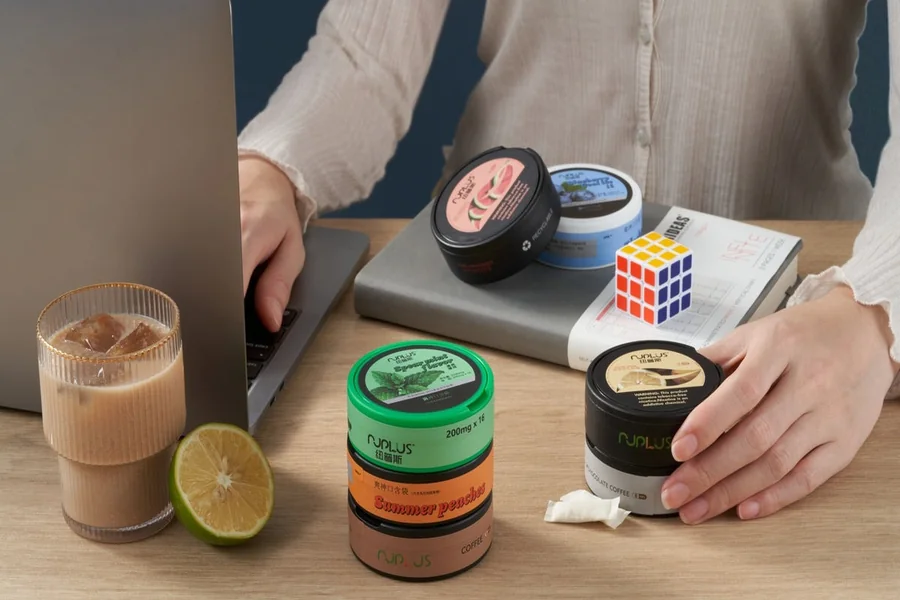
Nicotine pouches are small, discrete pouches that users place between their upper lip and gum. They contain a powder made from a mixture of ingredients, including nicotine, fillers, and flavorings. The composition may vary between brands, but they all contain nicotine, which is the addictive component of tobacco.
Popular Brands on the Market
The nicotine pouch market is dominated by several key brands, including ZYN, On!, and Velo.
Learn More
ZYN, manufactured by Swedish Match, offers nicotine strengths of 3mg and 6mg.
Learn More
On!, by Altria, provides a range of nicotine strengths from 1.5mg to 8mg, with their On! Plus line offering even higher concentrations.
Learn More
Velo, from R.J. Reynolds, is available in strengths of 2mg, 4mg, and 7mg. These brands compete by offering different flavors and nicotine concentrations, marketing their products as “tobacco-free” alternatives.
Ingredients and Composition
To make informed decisions, it’s essential to know the ingredients in nicotine pouches. Understanding the composition can help you choose the right product based on your needs.
Key Components in Nicotine Pouches
Nicotine pouches typically contain a mixture of ingredients, including nicotine, fillers, and flavorings. The powder inside the pouch is usually made from a combination of these elements. Some products may also include tobacco-derived nicotine, although many are tobacco-free.
Nicotine Concentrations and Strengths
Nicotine pouches are available in various strengths, measured in milligrams (mg) of nicotine per pouch. Different brands offer different concentrations. For example, ZYN is sold in 3 and 6 mg strengths, while Velo offers 2, 4, and 7 mg. On! provides a range from 1.5 to 8 mg, and the new On! Plus product comes in 6, 9, and 12 mg strengths.
| Brand | Nicotine Strengths (mg) |
| ZYN | 3, 6 |
| Velo | 2, 4, 7 |
| On! | 1.5, 2, 3.5, 4, 8 |
| On! Plus | 6, 9, 12 |
How to Use Nicotine Pouches
To get the most out of your nicotine pouch, it’s essential to understand how to use it correctly. Using a nicotine pouch involves placing it between your gum and lip, where it releases nicotine as you use it.
Proper Placement and Usage Technique
To use a nicotine pouch, simply place it in your mouth between your upper lip and gum. Ensure it’s positioned comfortably and doesn’t cause any irritation. Nicotine pouches are designed to be used discreetly and do not require spitting, making them a convenient option.
Duration and Disposal
The recommended duration for using a nicotine pouch varies between 15 to 60 minutes, depending on the product’s strength and your personal preference. You’ll know it’s time to remove the pouch when the flavor diminishes or the tingling sensation decreases.
- Dispose of used nicotine pouches properly in a trash receptacle to avoid environmental pollution.
- Some manufacturers provide compartments in their containers for disposing of used pouches when a trash can isn’t available.
- If you’re new to using nicotine pouches, start with shorter durations (15-20 minutes) and lower strengths to assess your tolerance.
| Usage Duration | Nicotine Strength | Disposal Method |
| 15-60 minutes | Varies by product | Trash receptacle or manufacturer’s compartment |
| 15-20 minutes (new users) | Lower strengths | Proper disposal to avoid pollution |
On Nicotine Pouches vs. Other Tobacco Products
When considering nicotine products, understanding the differences between nicotine pouches and other tobacco products is crucial. Nicotine pouches have gained popularity due to their distinct characteristics compared to traditional tobacco products.
Comparison with Cigarettes and Vaping
Nicotine pouches differ significantly from cigarettes and vaping products. Unlike cigarettes, they don’t involve combustion, reducing the risk of smoke-related health issues. Compared to vaping, nicotine pouches don’t require the use of devices and are not associated with e-liquid or vape-related lung injuries. Nicotine pouches offer a smoke-free and vape-free alternative, appealing to those seeking to avoid these risks.
Differences from Snus and Chewing Tobacco
The primary difference between nicotine pouches and snus or chewing tobacco lies in their composition. Nicotine pouches contain nicotine but no tobacco leaf, unlike snus and chewing tobacco, which are made from tobacco and can lead to tobacco-specific nitrosamines and other carcinogens. This difference may make nicotine pouches a potentially safer option for those concerned about the health risks associated with tobacco.
| Product | Tobacco Content | Nicotine Delivery |
| Nicotine Pouches | No | Yes |
| Snus | Yes | Yes |
| Chewing Tobacco | Yes | Yes |
| Cigarettes | Yes | Yes |
| Vaping Products | No (usually) | Yes |
Marketing Tactics and Rising Popularity
The growing popularity of nicotine pouches can be attributed to their appeal to a younger demographic and the influence of social media. Tobacco companies have been using various marketing strategies to promote these products, often targeting young adults and youth.
Target Demographics and Social Media Influence
Nicotine pouch marketing often focuses on younger demographics, leveraging social media platforms to reach this audience. The use of flavored products and appealing packaging plays a significant role in attracting young users. As a result, social media influence has become a crucial factor in the rising popularity of nicotine pouches among youth.
Current Usage Trends in the United States
Recent data indicates a significant increase in nicotine pouch use among U.S. youth, with approximately 480,000 young people reporting current use in 2024. The prevalence of flavored products among users highlights the importance of flavors in attracting young users. Among middle and high school students, 1.8% reported current nicotine pouch use, with 29.3% of these users reporting frequent use.
Regulations and Legal Status
Understanding the legal landscape of nicotine pouches requires a look into both federal and local regulations. The regulatory environment is complex, involving multiple layers of governance.
FDA Regulations on Nicotine Pouches
The FDA plays a crucial role in regulating nicotine pouches, overseeing their tobacco classification and ensuring compliance with federal laws. Manufacturers must adhere to specific guidelines, including obtaining FDA approval for certain aspects of their products.
State and Local Restrictions
Beyond federal regulations, many states and local jurisdictions impose their own restrictions on nicotine pouches, particularly on flavored varieties. Some areas have enacted comprehensive bans on flavored tobacco products, affecting the marketing and sale of these items.
Making Informed Decisions About Nicotine Pouches
Understanding the facts about nicotine pouches can help you make a decision that’s right for you. When considering nicotine pouches, it’s crucial to consult with your healthcare provider, especially if you’re trying to quit smoking or reduce tobacco use.
Nicotine pouches may expose you to fewer toxins than combustible tobacco products, but they still contain nicotine, which is highly addictive and carries its own health risks. If you’re trying to quit smoking, consider FDA-approved nicotine replacement therapies (NRTs) like patches, gum, or lozenges.
Be aware that nicotine pouches are not risk-free alternatives to smoking but rather a different type of nicotine delivery system. If you don’t currently use tobacco or nicotine products, it’s best not to start using pouches, as they can lead to addiction and associated health concerns.
FAQ
What are the ingredients in nicotine pouches?
Nicotine pouches contain a mixture of ingredients, including tobacco-derived nicotine, food-grade fillers, flavorings, and p H adjusters. Some popular brands may also include additional ingredients like preservatives or sweeteners.
Are nicotine pouches a safe alternative to smoking?
While nicotine pouches are often considered a less harmful alternative to cigarettes, they still contain the addictive chemical nicotine and may pose health risks, particularly for young people. The long-term health effects of using nicotine pouches are not yet fully understood.
Can I use nicotine pouches to quit smoking?
Some people use nicotine pouches as a tool to help them quit smoking, as they can provide a controlled amount of nicotine to manage cravings. However, it’s essential to consult with a healthcare professional before using nicotine pouches or any other tobacco product as a cessation aid.
Are nicotine pouches regulated by the FDA?
Yes, the FDA regulates nicotine pouches as tobacco products. Manufacturers must comply with FDA regulations, including premarket review requirements and labeling restrictions.
Can nicotine pouches be used by adults of all ages?
While nicotine pouches are generally marketed towards adults, certain age groups may be more susceptible to the negative effects of nicotine. Older adults with certain health conditions or taking specific medications should consult their healthcare provider before using nicotine pouches.
How do I properly dispose of used nicotine pouches?
Used nicotine pouches should be disposed of in a responsible manner, such as wrapping them in tissue paper or a plastic bag and throwing them away in a trash can. It’s essential to keep used nicotine pouches out of reach of children and pets.
Can nicotine pouches cause addiction?
Yes, nicotine pouches can cause addiction due to the presence of nicotine, a highly addictive substance. Using nicotine pouches responsibly and following the recommended usage guidelines can help minimize the risk of addiction.
Are there any health risks associated with using nicotine pouches?
Using nicotine pouches may be associated with certain health risks, including disease and addiction. The health effects of nicotine pouches can vary depending on individual factors, such as the frequency and duration of use.