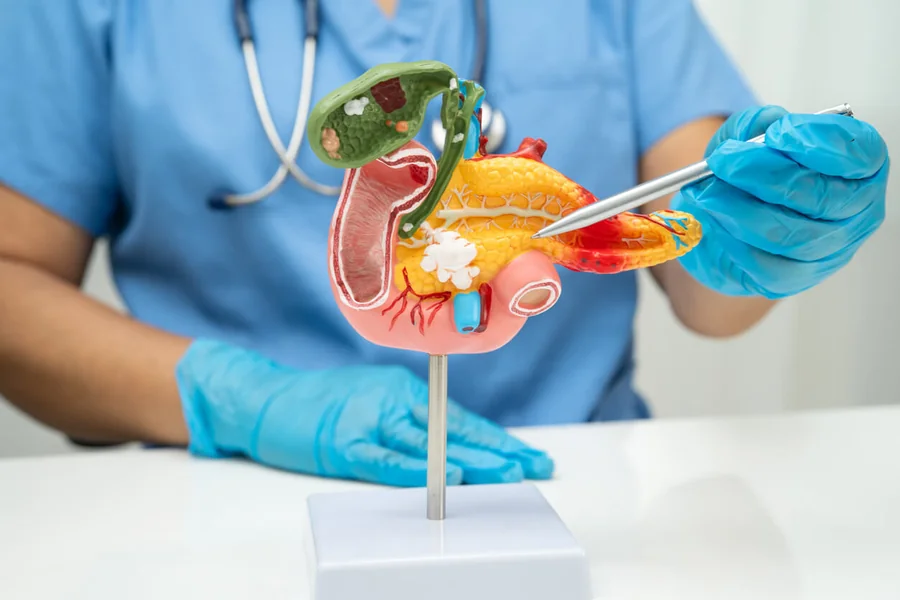
Gallstones are hardened deposits that form inside the gallbladder and can range in size from tiny particles to larger stones. Many people have gallstones without experiencing any symptoms, while others may develop abdominal pain, nausea or complications when a stone blocks the flow of bile.
Biliary colic refers to the pain caused by temporary blockage, while acute cholecystitis occurs when a blocked gallstone leads to inflammation of the gallbladder. Although these conditions are related, they can require different approaches to diagnosis and treatment. A gallstone clinic can assess symptoms, arrange appropriate investigations and determine whether monitoring, treatment or surgery may be needed.
What Are Gallstones And Why Do They Form?
Gallstones develop when substances in bile become imbalanced and harden into solid deposits within the gallbladder. The two main types are cholesterol stones, which are the most common, and pigment stones, which contain bilirubin. Gallstones can form when the gallbladder does not empty properly or when bile contains excessive amounts of cholesterol or bilirubin.
Several factors can increase the likelihood of developing gallstones. These include increasing age, being overweight, rapid weight loss, pregnancy and certain medical conditions. However, gallstones can also occur in people without obvious risk factors. In many cases, they remain in the gallbladder without causing problems. Symptoms typically occur when a stone moves and blocks the normal flow of bile, potentially leading to pain or other complications.
Biliary Colic: Recognising A Gallstone Attack
Biliary colic is a common symptom of gallstones and occurs when a stone temporarily blocks the outlet of the gallbladder. This can cause sudden or steady pain in the upper right or upper middle part of the abdomen. The discomfort may develop after eating, particularly following a heavy or fatty meal, and can sometimes spread to the back or right shoulder. Nausea and vomiting may also occur during an attack.
The pain from biliary colic can last from several minutes to a few hours and may settle when the stone moves away from the blockage. However, recurring episodes should not be ignored. Frequent attacks can affect daily activities and may indicate that the gallstones are causing ongoing problems.
Cholecystitis: When A Gallstone Causes Gallbladder Inflammation
Acute cholecystitis occurs when a gallstone becomes lodged in the cystic duct, preventing bile from leaving the gallbladder normally. Unlike biliary colic, where the blockage is temporary and the pain usually settles, cholecystitis involves inflammation of the gallbladder and tends to cause more persistent symptoms. Pain is often felt in the upper right abdomen and may be accompanied by tenderness, nausea, vomiting or fever.
If abdominal pain continues for several hours or is accompanied by fever or other concerning symptoms, prompt medical assessment is important. Untreated inflammation can sometimes lead to complications, including infection or damage to the gallbladder. Depending on the severity of the condition and the patient’s overall health, treatment may involve medication, hospital care and, where appropriate, surgical removal of the gallbladder.
How A Gallstone Clinic Diagnoses The Problem
When you visit a gallstone clinic, the assessment typically begins with a discussion about your symptoms, medical history and any previous episodes of abdominal pain. The doctor may ask about when the pain occurs, how long it lasts, whether it is related to meals and whether you have experienced symptoms such as fever, vomiting or jaundice. A physical examination may also be performed to check for abdominal tenderness.
An abdominal ultrasound is commonly used to look for gallstones and assess the gallbladder. Blood tests may also be recommended to check for signs of inflammation or problems affecting the liver and bile ducts. Depending on the findings and symptoms, additional imaging may sometimes be needed. These investigations help determine whether the symptoms are caused by gallstones and whether treatment or further monitoring is appropriate.
Treatment Options For Gallstones, Biliary Colic And Cholecystitis
Not every gallstone requires immediate treatment, particularly when it causes no symptoms. However, recurring or worsening symptoms should be assessed to determine whether the gallstones are affecting the gallbladder or bile ducts. Consider visiting a gallstone clinic if you experience:
- Recurring upper abdominal pain: Episodes of pain in the upper right or middle abdomen, particularly after meals, may indicate biliary colic.
- Persistent or severe pain: Pain that does not settle or continues for several hours may require assessment for acute cholecystitis or another complication.
- Fever or chills: These symptoms alongside abdominal pain may suggest inflammation or infection.
- Nausea and vomiting: Repeated vomiting during an abdominal pain episode should be evaluated, particularly if symptoms are severe.
- Jaundice: Yellowing of the skin or eyes may indicate that a gallstone is obstructing the bile duct.
- Dark urine or pale stools: Changes in urine or stool colour can occur when bile flow is obstructed.
Seeking medical assessment can help identify whether gallstones are responsible for the symptoms and whether further investigations or treatment are needed.
Conclusion
Gallstones do not always cause symptoms, but biliary colic and acute cholecystitis can lead to significant pain and complications when left unassessed. Understanding the differences between these conditions can help you recognise when medical attention may be appropriate.
Persistent abdominal pain or suspected gallstones should be assessed appropriately. Contact our specialist to enquire for a consultation. Visit our clinic at: