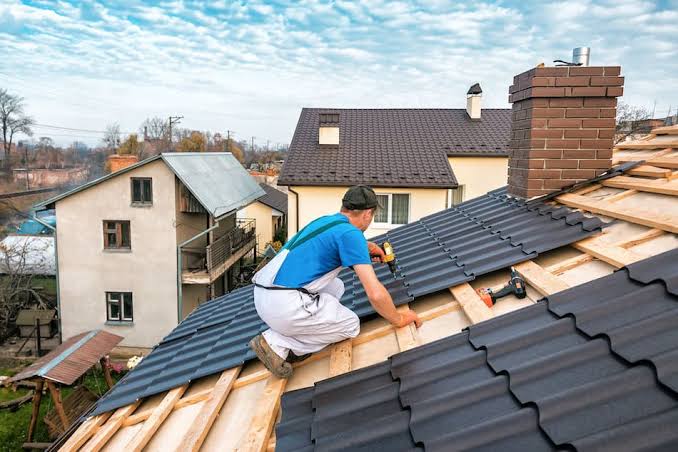
When it comes to home improvement decisions, few choices matter as much as selecting the right roofing material. Your roof protects everything underneath it, affects your home’s energy efficiency, and significantly impacts your property’s curb appeal and resale value. With so many options available today, homeowners often feel overwhelmed by the variety of materials, price points, and performance characteristics. Understanding the key factors that distinguish one roofing material from another will help you make a decision that aligns with your budget, climate, and long-term home goals.
1. Assess Your Local Climate and Weather Patterns
The climate where you live should heavily influence your roofing material choice. Homes in areas with heavy rainfall require materials that shed water efficiently and resist moisture damage, making options like asphalt shingles or metal roofing particularly suitable. If you live in a region prone to high winds, you will want a material with strong wind resistance, such as metal roofing or architectural shingles rated for higher wind speeds. Areas that experience frequent hail should consider impact-resistant materials like asphalt shingles with high impact ratings or metal roofing, which can withstand hail better than many traditional options. Intense sun exposure in hot climates can degrade certain materials faster, so reflective coatings or lighter-colored options may extend the lifespan of your roof. Researching the weather conditions most common in your region will narrow your choices significantly and help you avoid materials poorly suited to your environment.
2. Evaluate Material Durability and Lifespan
Different roofing materials offer vastly different lifespans, and understanding this variation is crucial for calculating long-term costs. Asphalt shingles, the most common and affordable option, typically last between 15 and 25 years depending on quality and maintenance. Metal roofing can last 40 to 70 years or longer, making it a sound investment for homeowners planning to stay in place for many decades. Wood shingles and shakes offer natural beauty but generally last 20 to 40 years and require regular maintenance to prevent rot and insect damage. Slate and clay tile roofing are among the most durable options, often lasting 50 to 100 years or more, though they carry a premium price tag. Roof replacement projects benefit greatly from a long-view approach, as homeowners who evaluate total cost of ownership across multiple material lifespans consistently make more financially sound decisions. A material with a higher upfront cost might ultimately save money if it lasts significantly longer than cheaper alternatives.
3. Compare Upfront Costs and Installation Expenses
Your budget is likely one of the most practical constraints when choosing a roofing material. Asphalt shingles remain the most budget-friendly option, with installation costs that are generally manageable for most homeowners. Composite shingles cost more than basic asphalt but less than premium materials, offering a middle ground between affordability and performance. Metal roofing carries a higher initial cost, though prices have become more competitive in recent years and the long lifespan often justifies the expense. Natural materials like slate, clay tile, and wood shake represent the premium end of the market, requiring both expensive materials and specialized installation by experienced contractors. Beyond the material itself, installation costs vary based on your roof’s pitch, complexity, and local labor rates, so obtaining quotes from multiple contractors will give you a clearer picture of the full expense, including old roofing removal, underlayment, and any structural repairs identified during installation.
4. Consider Maintenance Requirements and Upkeep
Some roofing materials demand significantly more maintenance than others, and this ongoing commitment affects your total cost of ownership. Asphalt shingles require minimal maintenance beyond occasional inspections and gutter cleaning, making them appealing for homeowners who prefer a low-effort option. Wood shingles and shakes need regular treatment to prevent moss growth, insect damage, and rot, which can become time-consuming and costly over the life of the roof. Metal roofing is highly durable and generally low-maintenance, though periodic inspections for loose fasteners or sealant issues are advisable. Slate and tile roofing, while extremely long-lasting, occasionally require individual pieces to be replaced if they crack or break. Understanding what maintenance your chosen material requires will help you budget not just for installation but for the years of care that follow.
5. Review Aesthetic Appeal and Home Design Compatibility
Your roof is one of the most visible elements of your home, and choosing a material that complements your architectural style matters for both personal satisfaction and resale value. Asphalt shingles come in numerous colors and styles, from traditional three-tab designs to dimensional architectural shingles that mimic the look of wood or slate. Metal roofing offers a modern, sleek appearance and comes in various colors and finishes, including options that resemble traditional standing seam or metal panels. Wood shingles and shakes deliver a rustic, natural aesthetic that suits cottage, craftsman, and traditional home styles. Slate and clay tile create an upscale, timeless appearance that adds character to Mediterranean, Spanish, or high-end traditional homes. Before making your final selection, review your home’s overall design, check local building codes or homeowners association guidelines, and consider what style will appeal to future buyers if resale is a priority.
Conclusion
Choosing the best roofing material for your home improvement project requires balancing multiple factors, including your local climate, desired lifespan, budget constraints, maintenance preferences, and aesthetic goals. No single material is right for every homeowner or situation. By carefully evaluating how each material performs in your specific climate, calculating the true cost of ownership over decades, and considering both practical maintenance needs and visual appeal, you can make an informed decision that serves your home well for years to come. Consulting with experienced roofing contractors and comparing quotes will further ensure that your new roof provides reliable protection while enhancing your home’s value and appearance.