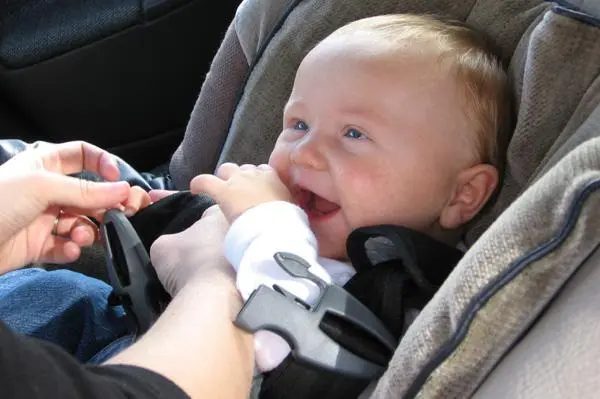
A retailer cannot travel with every family, but it can shape what happens before the vehicle leaves the parking area. Product education turns labels, manuals, and controls into actions caregivers understand. When demonstrations are careful and customers practice the setup themselves, the retail encounter can support safer behavior long after the transaction is complete.
Education Begins Before Product Comparison
Effective guidance starts by defining the family’s situation. The child’s current height and weight, permitted travel mode, primary vehicle, seating needs, and regular caregivers provide a more useful brief than a request for the “best” product. This early framing prevents convenience features or price tiers from leading the selection before suitability is established.
Staff should explain the difference between approximate age language and the certified limits for a specific model. They can show customers where those limits appear and encourage them to keep the instructions accessible. The goal is not to recite technical vocabulary, but to help a parent locate the answer again after a growth spurt or a mode change.
Education also includes honest boundaries. General advice cannot confirm a fit that has not been tested, and one successful installation does not prove compatibility with another vehicle. Saying “this needs to be checked” is a sign of responsible service, not incomplete knowledge.
Demonstrations Should Become Caregiver Practice
A staff member installing the restraint while a parent watches may create confidence without creating skill. A stronger session includes a guided return demonstration. The caregiver identifies the belt path or anchor system, secures the restraint, places the child, adjusts the harness, and explains the final indicators in their own words.
This practice reveals misunderstandings immediately. A parent may route webbing through the wrong opening, overlook a tether requirement, or interpret a sound as proof of a lock when the instructions define a different indicator. Correction in a calm retail setting is easier than troubleshooting beside a busy road.
The Baby Hills family safety guide can support this educational model as a pre-visit or follow-up resource, helping caregivers remember the categories of information they should verify. It should complement, not replace, the product manual, vehicle manual, and hands-on assessment for the exact child and setup.
Post-Purchase Learning Matters Just as Much
Correct use is not a one-time achievement. Children grow, approved inserts change, harness positions move, and multi-mode products are reconfigured. A cover may be removed for cleaning, a new vehicle may enter the household, or another caregiver may take over part of the weekly routine.
Retail education can anticipate these moments. Clear support channels, access to current instructions, and invitations to seek another fit check give families alternatives to improvisation. Staff should avoid recommending unofficial accessories, padding, repair methods, or cleaning practices that are not permitted by the manufacturer.
Follow-up communication is most useful when it is educational rather than promotional. A reminder to recheck measurements, review a changed mode, or verify the setup after moving vehicles can reinforce correct habits without creating a sales message. The family’s ability to recognize when it needs help is itself a safety skill.
Better Retail Practice Builds a Safety Culture
Retailers influence expectations across the market. If every conversation treats vehicle testing, manual use, and caregiver practice as normal, customers begin to expect those services. Brands then have an incentive to make instructions clearer, staff training more consistent, and product information easier to compare.
Measurement can focus on the quality of the learning experience rather than only the speed of the sale. Businesses can ask whether caregivers completed a return demonstration, received the correct instructions, and know where to seek model-specific support. These process signals do not guarantee outcomes, but they encourage disciplined service.
Retail education improves child-passenger safety by turning technical requirements into repeatable household behavior. Its strongest contribution is neither a persuasive pitch nor a perfect installation performed once. It is a caregiver who can check the setup tomorrow, teach another adult, notice when circumstances change, and return to authoritative instructions before making the next decision.