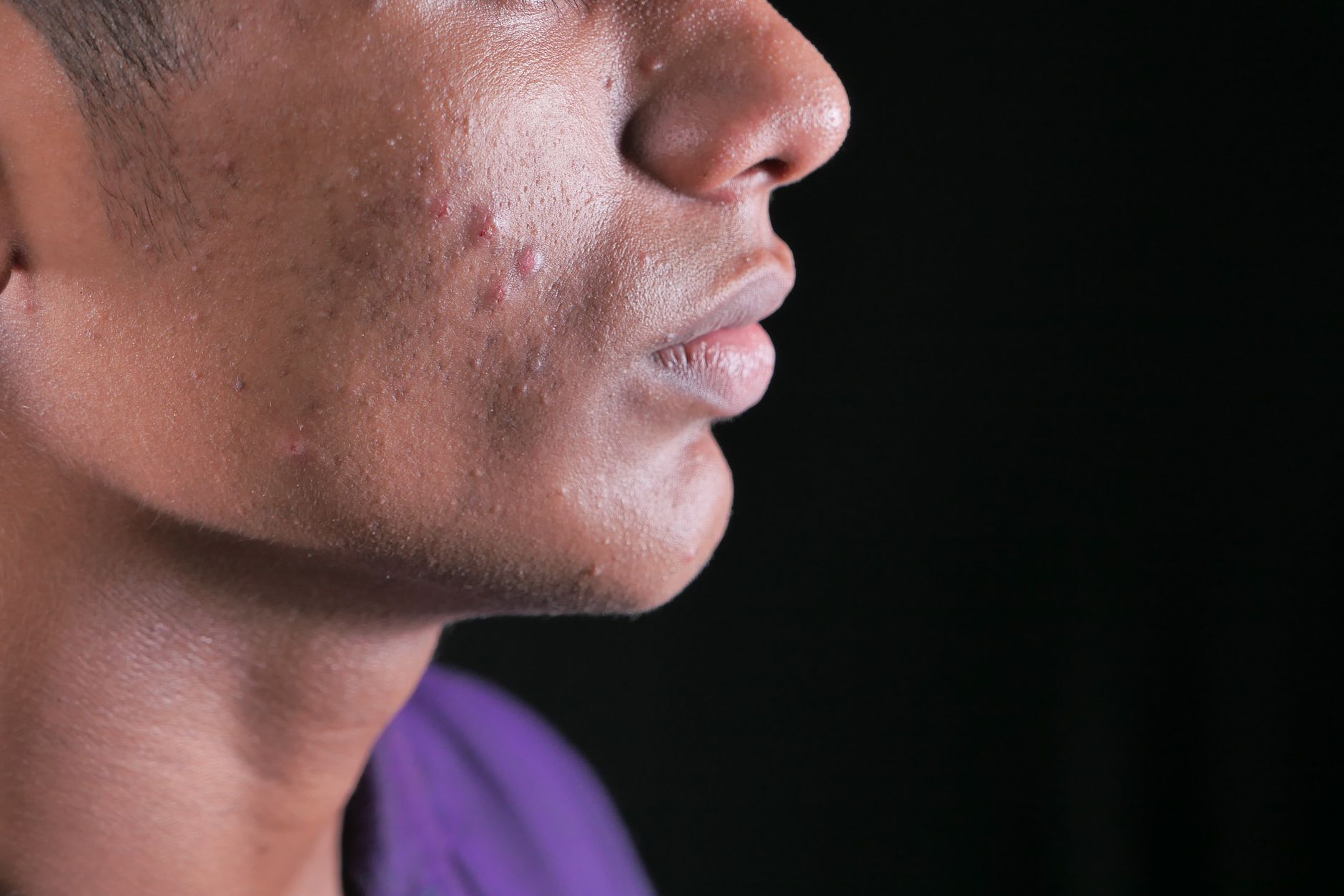
Adult acne is a common skin concern that can persist from the teenage years or develop for the first time during adulthood. Breakouts may be influenced by factors such as hormonal changes, stress, skincare products, lifestyle habits and genetics. While some people may find that a consistent skincare routine and simple home care measures help keep occasional breakouts under control, others may need a more targeted approach.
So, can over-the-counter products and home remedies manage adult acne, or is professional adult acne treatment more appropriate? This article compares both approaches to help you understand what may work for different types and severities of adult acne, without assuming that every case requires medical treatment.
What Can Skincare Products Do For Adult Acne?
Skincare products can play an important role in managing mild adult acne, particularly when the routine contains ingredients that target clogged pores, excess oil and inflammation. Ingredients such as salicylic acid can help exfoliate inside pores, while benzoyl peroxide may help reduce acne-causing bacteria. Retinoids can also be used to support skin cell turnover and prevent pores from becoming clogged.
However, more active ingredients do not necessarily mean better results. Using several strong products at once may cause dryness, irritation or sensitivity, which can make the skin more uncomfortable. A simple routine with a gentle cleanser, suitable moisturiser and sunscreen can provide a better foundation for managing acne-prone skin.
Can Home Remedies Really Help With Adult Acne?
Simple home care habits can support the management of mild adult acne, but they may have limitations. Gentle cleansing, avoiding the habit of touching or squeezing pimples and choosing non-comedogenic skincare products can help reduce irritation and prevent pores from becoming unnecessarily blocked. Some people also try DIY remedies using household ingredients, but these should be approached with caution.
Applying substances such as lemon juice, toothpaste or abrasive scrubs to the skin may cause irritation rather than improve acne. It is also important to remember that “natural” does not automatically mean suitable for acne-prone skin. For occasional, mild breakouts, good skincare habits may be enough, while persistent or worsening acne may require a more targeted approach.
When Skincare and Home Care May Not Be Enough
Skincare and home care may not be sufficient when adult acne becomes persistent, painful or difficult to control. Frequent breakouts, deep or inflamed pimples and acne that leaves dark marks or scars may indicate a need for a more structured approach. Recurring acne can also have different contributing factors, including hormonal changes, stress, certain medications or products that may be unsuitable for the skin.
A doctor can assess the type and severity of acne and consider factors such as how long it has been present and what treatments have already been tried. This assessment can help determine whether a more targeted adult acne treatment may be appropriate. Seeking advice earlier may also help reduce the risk of ongoing inflammation and potential scarring.
What Does Professional Adult Acne Treatment Involve?
Professional adult acne treatment can involve different approaches depending on the type, severity and underlying factors contributing to the breakouts. A doctor may recommend topical treatments or, for certain cases, oral medication to address acne more directly. Clinic-based options such as chemical peels or selected light and laser treatments may also be considered for some patients.
The most suitable approach can vary according to skin type, previous treatments, sensitivity and whether pigmentation or acne scarring is also present. Rather than using the same treatment for everyone, a consultation allows the skin to be assessed and an appropriate treatment plan to be discussed. It is also important to follow the recommended treatment schedule and skincare advice, as acne generally requires consistency rather than a quick fix.
When Should You Consider A Different Approach To Managing Adult Acne?
The right approach depends largely on the type, severity and persistence of your acne. While some people may manage occasional breakouts with suitable skincare and home care, others may benefit from a more targeted adult acne treatment plan. Consider the following:
- Mild, occasional breakouts: A consistent skincare routine with suitable acne-fighting ingredients may be sufficient.
- Persistent acne: Breakouts that continue despite regular skincare may require professional assessment.
- Inflamed or painful acne: Deeper or more inflamed lesions can be harder to manage with home remedies alone.
- Acne with pigmentation or scarring: Repeated inflammation can leave marks or scars, making early management important.
- Uncertain triggers: If acne appears suddenly or keeps recurring, a doctor can assess possible contributing factors.
- Combining approaches: Professional treatment does not necessarily replace skincare. A suitable home routine can often be used alongside clinic-based treatment.
Rather than trying multiple products or DIY remedies at once, it is often more useful to take a consistent approach and adjust it according to how your skin responds.
Building A Sustainable Skincare Routine For Acne-Prone Adult Skin
Whether you are managing adult acne at home or undergoing professional treatment, a consistent skincare routine can help support the health of your skin. The aim is to avoid unnecessary irritation while keeping the skin clean, moisturised and protected.
- Cleanse gently: Use a mild cleanser to remove excess oil, sweat and impurities without over-drying the skin.
- Choose suitable active ingredients: Ingredients such as salicylic acid or retinoids may be appropriate for some people, depending on their skin and acne.
- Moisturise regularly: Acne-prone skin can still become dry, particularly when using active ingredients. A non-comedogenic moisturiser can help maintain the skin barrier.
- Use sunscreen daily: Sun protection is important, particularly if acne has left dark marks or if the skin is more sensitive due to treatment.
- Avoid picking or squeezing: Manipulating spots can increase inflammation and may contribute to post-acne marks or scarring.
- Give treatments time: Constantly changing products can make it difficult to determine what is helping and may increase irritation.
If acne continues despite a consistent routine, speaking with a doctor can help determine whether further adult acne treatment may be suitable.
Conclusion
Adult acne can sometimes be managed with a consistent skincare routine and sensible home care, particularly when breakouts are mild. However, persistent, painful or recurring acne may require a more targeted approach. Understanding the possible triggers and severity of your acne can help determine whether professional treatment may be appropriate.
If your adult acne keeps returning or is leaving marks and scars, consider discussing your concerns with our specialist, at
One Face Clinic – Pigmentation | Melasma Treatment | Acne Singapore