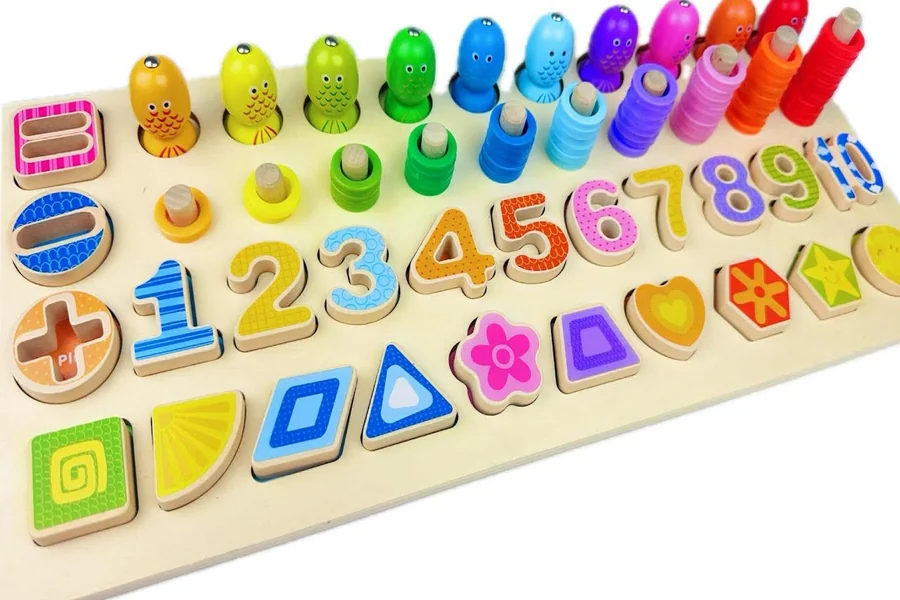
Numbers aren’t just symbols in a workbook; they’re the heartbeat of a toddler’s day. Two shoes to slip on, three grapes to nibble, four blocks to stack—every small moment is a chance to play with quantity. When curious grown-ups lean into that curiosity and tuck gentle math exploration into story time, snack time, and everyday sidewalk walks, children learn that counting feels as warm and regular as a hug.
Better yet, most of the best number games cost nothing, relying on household odds and ends and a little bright parent imagination.
Counting on Fun: Everyday Objects
Pour a bowl of bright buttons onto the kitchen table, and a math lesson appears as if by magic. Ask your child to slide a single button at a time into an empty muffin cup while you count together—one, two, three. The shiny feel and soft clinks turn abstract numbers into something that can be held and heard.
When attention starts to wander, change the game: sort the buttons by color, make little piles of five, or hide them around the room for a counting treasure hunt. Ten spare minutes often stretch into half an hour of focused, giggly learning.
Rhythms and Rhymes: Musical Math
Children remember what they sing, so math set to music sinks deep. Hum “Five Little Ducks” during bath time or clap your hands while chanting “Ten in the Bed.” Each verse subtracts one, letting toddlers feel subtraction as a beat quietly slipping away. Shake a rice-filled jar and march through the hallway; now counting reaches fingers, feet, and ears at once.
Pause between verses and ask, “How many ducks remain?” The deliberate wait sparks mental math and a triumphant shout of the answer. Repeat tomorrow, and you’ll hear them predict the missing number before you even ask.
Move to the Math: Active Counting
Toddlers learn with their whole bodies, so take numbers off the page and onto the carpet. Lay a wiggly path of painter’s tape squares, marking each with a bold digit. Call out a number and watch your child hop to the right spot, laughing as they shout the value. Outside, giant chalk circles invite bear crawls, twirls, or dinosaur stomps equal to whatever a rolled foam die displays.
Each laugh-filled movement locks another link in the counting chain while draining the wiggles that derail quiet lessons. Then switch roles and let them pick a number for you; the reversal cements confidence and tests recall.
Digital and Tabletop Treasures: Screen-Smart and Classic Picks
Screens have their place when they invite touch and thinking rather than passive staring. Seek apps that ask children to drag the numeral three onto three stars or pop bubbles numbered in sequence, turning finger swipes into math practice. Balance pixels with cardboard classics such as “Hi-Ho! Cherry-O,” where spinning a dial and counting tiny fruit doubles as an introduction to addition and subtraction.
If you want an even richer, child-led environment, enroll your child in a Montessori toddler program, where low shelves brimming with bead chains, sandpaper numerals, and number rods invite joyful hands-on discovery at every turn.
Conclusion
Children who learn that numbers are playful companions—hopped on, sung out, or shuffled like bright buttons—carry that optimism into school and beyond. Early victories with counting build patience for tougher equations later and, just as importantly, create warm memories shared with family.
None of the games above requires pricey kits; they thrive on everyday objects and an adult willing to sit on the floor. So tape a hop path, line stuffed ducks in the bath, pour a bowl of buttons, and watch your toddler’s grin widen with every triumphant count. Those giggles today lay the groundwork for tomorrow’s confidence, not just in math, but in tackling any puzzle life presents.