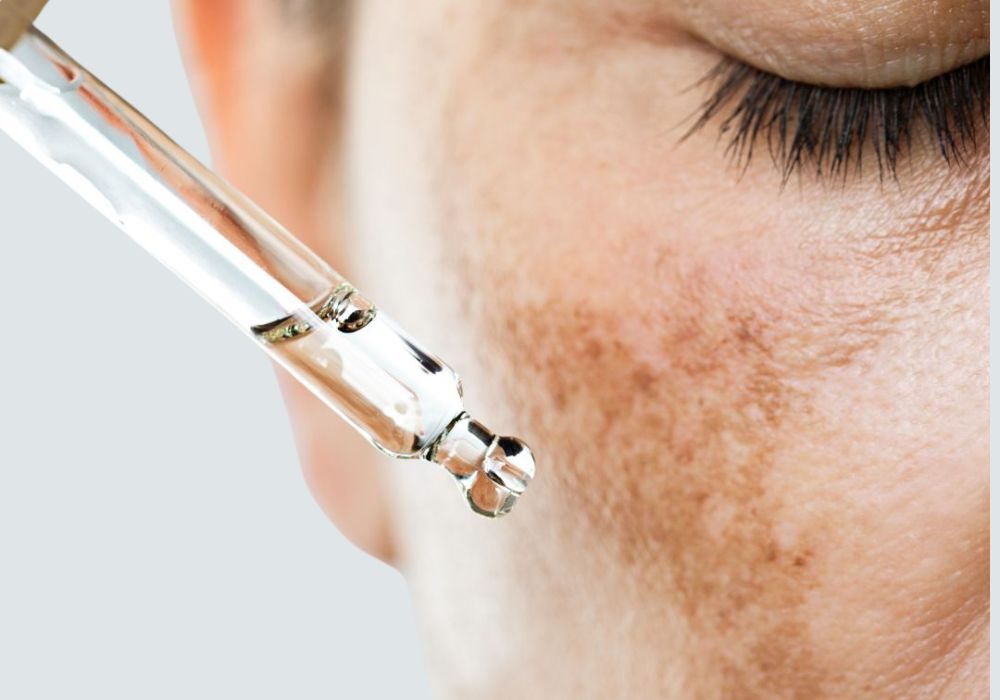
Melasma is a chronic pigmentation condition that often becomes more difficult to treat over time. In many cases, what starts as mild discoloration gradually becomes more persistent, especially when it has been present for months or even years, has returned after previous treatments, or involves deeper pigment within the skin layers.
This is why “stubborn” or long-standing cases require a more careful and structured approach. When patients search for the best melasma treatment, they are often hoping for a quick fix, but in reality, this condition responds best to a long-term, medically guided strategy rather than short-term solutions.
In Singapore, patients frequently seek a best melasma treatment clinic in Singapore that can provide a personalised plan combining different treatment modalities, realistic expectations, and ongoing maintenance to manage recurrence effectively.
Why Long-Standing Melasma Is Harder To Treat
Long-standing melasma is more challenging to manage because the pigmentation is often deeper and influenced by multiple ongoing factors. In cases of Melasma, the pigment may extend into both the superficial and deeper layers of the skin, which makes it less responsive to simple topical treatments alone.
Contributing factors such as chronic sun exposure in a tropical climate like Singapore, hormonal changes, genetic predisposition, and repeated skin inflammation from inappropriate skincare or over-treatment can all worsen persistence. Because of this, results are usually gradual and require a structured, multi-step treatment plan rather than quick or isolated solutions.
Common Mistakes That Make Melasma Worse
Many patients unintentionally worsen Melasma by trying to treat it aggressively or inconsistently. One of the most common mistakes is self-medicating with strong bleaching agents or prescription creams without proper supervision, which can irritate the skin and trigger rebound pigmentation. Another frequent issue is constantly switching between different treatments too quickly, without giving any single approach enough time to work.
In addition, inadequate sun protection remains one of the biggest reasons melasma persists or returns, especially in a high-UV environment like Singapore. Some patients also rely on harsh procedures or unsuitable lasers too early in their treatment journey, which may worsen pigmentation instead of improving it. Over time, these missteps can compromise the skin barrier and make the condition more resistant, highlighting the importance of a carefully planned, medically guided approach.
First-Line Medical Treatments For Stubborn Melasma
For long-standing or resistant cases of Melasma, treatment typically begins with medical-grade topical therapies that target pigment production at multiple stages. These may include combination depigmenting creams such as hydroquinone-based formulations (when appropriate), as well as non-hydroquinone alternatives like azelaic acid, retinoids, and topical tranexamic acid. In some cases, oral tranexamic acid may also be considered under medical supervision for selected patients.
These treatments work by gradually reducing melanin activity and improving overall skin turnover, but they require consistency and time to show meaningful results. In most stubborn cases, they form the foundation of a broader treatment plan rather than being used alone. When prescribed correctly and combined with strict sun protection, they can significantly improve pigmentation control and prepare the skin for additional in-clinic procedures.
Advanced Treatments: Lasers, Peels, And Combination Therapy
For stubborn cases of Melasma that do not respond adequately to topical therapy alone, in-clinic procedures can provide additional improvement when carefully selected and medically supervised. These treatments are not usually used in isolation but as part of a broader, stepwise plan.
Common advanced options may include:
- Low-energy laser treatments designed to target pigment gently without triggering inflammation
- Medical-grade chemical peels to improve superficial pigmentation and skin renewal
- Light-based or pigment-specific devices used cautiously in selected skin types
- Combination protocols that integrate topicals, lasers, and procedural treatments over time
However, it is important to note that more aggressive or poorly selected treatments can worsen pigmentation in some patients. Melasma treatment must be tailored to skin type, pigment depth, and sensitivity. Overly aggressive lasers or peels, especially in darker or reactive skin, can worsen pigmentation through post-inflammatory hyperpigmentation.
Expected Results and Treatment Timeline
Melasma improves gradually, and results depend on severity, skin type, and treatment consistency. Most patients see partial improvement within 6–12 weeks of topical therapy, while procedural options such as lasers or peels may require multiple sessions spaced several weeks apart.
- Early changes: gradual lightening of pigmentation and more even skin tone
- Ongoing improvement: continued fading with combination therapy over months
- Maintenance phase: focus shifts to preventing recurrence rather than complete elimination
Conclusion
Managing Melasma requires patience, consistency, and a structured medical approach. There is no single “quick fix,” and the best outcomes are achieved through a combination of topical treatments, carefully selected procedures, and strict sun protection. Because pigmentation often develops over time and is influenced by multiple factors, treatment must also be long-term and individualized.
With the right plan, gradual improvement is realistic, but maintaining results is just as important as achieving them. A stepwise, supervised approach helps reduce recurrence and improves overall skin clarity over time. For assessment and a personalised melasma treatment plan, you may contact our clinic, at: