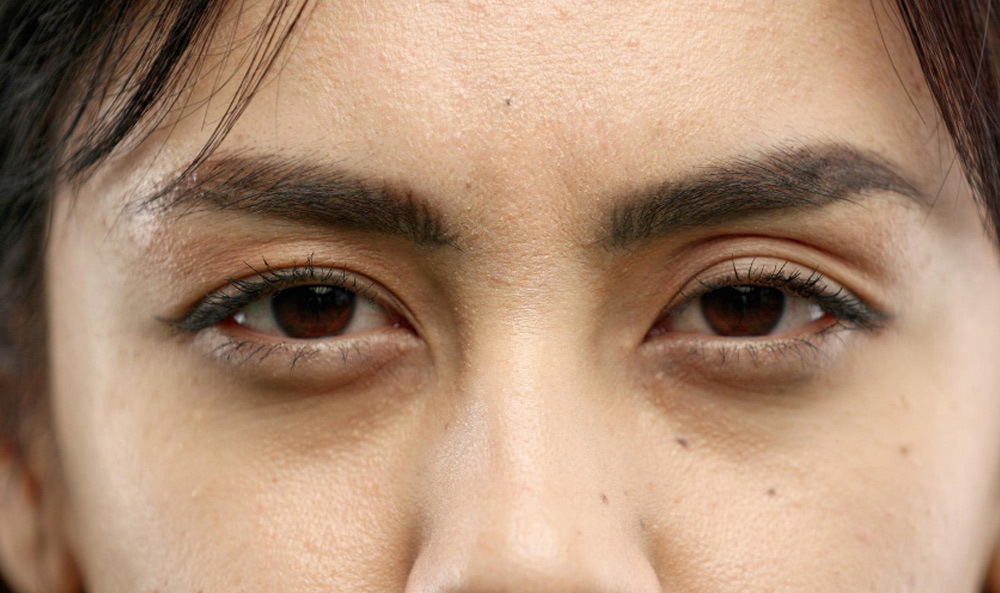
Ptosis refers to the drooping of the upper eyelid, where the eyelid sits lower than normal and may partially cover the eye. It can be mild, where the change is barely noticeable, or more severe, where the eyelid significantly obstructs vision. Ptosis may affect one eye or both eyes, and the degree of drooping can vary depending on the underlying cause and muscle function. Beyond its appearance, ptosis can also lead to functional concerns such as reduced upper visual field, eye strain, and difficulty with daily activities like reading or driving.
At the same time, many patients are also concerned about the aesthetic impact, as droopy eyelids can create a tired or uneven look. In Singapore, a growing number of patients searching for ptosis correction Singapore are unsure whether their condition is affecting their vision or if they need treatment, often seeking guidance on whether it is appropriate to fix ptosis.
Signs that Eyelid Ptosis maybe Affecting Vision
When ptosis begins to affect vision, the changes are often gradual and easy to overlook at first. One of the most common signs is difficulty seeing the upper portion of your visual field, particularly when reading, working on a computer, or looking straight ahead.
Many patients also find themselves unconsciously raising their eyebrows or tilting their head back to compensate for the drooping eyelids, which can become a habitual posture over time. This constant effort may lead to a feeling of “tired eyes,” even after adequate rest.
Some individuals also experience eye strain or mild headaches due to the extra muscle effort required to keep the eyes open. In more subtle cases, these symptoms may only become noticeable as ptosis progresses, prompting patients in Singapore to seek evaluation for ptosis correction Singapore when daily visual comfort starts to be affected.
Common Causes of Ptosis in Adults and Children
Ptosis can develop for different reasons depending on age, medical history, and eyelid structure. Identifying the cause is important because it helps guide the most appropriate treatment approach for each patient considering ptosis correction Singapore.
Common causes include:
- Age-related (involutional) ptosis – The levator muscle gradually weakens or stretches over time, leading to drooping eyelids in adults.
- Congenital ptosis – Present from birth due to underdevelopment of the eyelid-lifting muscle.
- Nerve-related conditions – Less common, but certain neurological issues can affect eyelid muscle control.
- Trauma or injury – Direct injury to the eyelid or surrounding structures may disrupt normal lifting function.
- Previous eye or eyelid surgery – Surgical changes can sometimes affect eyelid position.
- Long-term contact lens use – In some cases, prolonged use may contribute to subtle weakening of eyelid support structures.
Because the underlying cause can vary significantly, a proper clinical assessment is essential before deciding on treatment options.
How Ptosis Affects Vision and Daily Life
Ptosis does not only change the appearance of the eyes. It can also have a meaningful impact on daily visual function. When the upper eyelid droops over the pupil, it can reduce the upper field of vision, making it harder to see clearly when reading, walking downstairs, or driving. Over time, patients may unconsciously adjust their posture, such as lifting their chin or raising their eyebrows, to compensate for the obstruction. This constant muscle effort can lead to fatigue around the forehead and eye area, as well as tension headaches in some individuals.
Beyond functional limitations, ptosis may also affect confidence and self-image, especially when the eyelid asymmetry becomes more noticeable in photos or face-to-face interactions. In Singapore, many individuals seeking ptosis correction Singapore report both practical difficulties and aesthetic concerns as motivating factors for seeking medical evaluation and treatment.
Diagnosis of Ptosis in Clinical Evaluation
A proper diagnosis is essential to determine the severity of ptosis and whether ptosis correction is medically or functionally indicated. During a consultation, a detailed eyelid assessment is performed to evaluate both appearance and visual impact.
Key aspects of the clinical evaluation include:
- Eyelid position measurement (MRD1) – Measures how much the upper eyelid covers the pupil to assess severity.
- Levator muscle function testing – Checks how well the eyelid-lifting muscle is working.
- Assessment of symmetry – Compares both eyes to identify unilateral or bilateral ptosis.
- Visual field testing (when necessary) – Determines whether eyelid drooping is obstructing peripheral or upper vision.
- Medical history review – Helps identify possible causes such as age-related changes, trauma, or neurological conditions.
This structured evaluation allows patients seeking ptosis correction Singapore to receive an accurate diagnosis and a treatment plan tailored to both functional needs and eyelid anatomy.
Ptosis Correction Options in Singapore
Treatment for ptosis depends on its cause and severity, but surgical correction is the main definitive option when eyelid drooping affects vision or daily function. The goal of surgery is to improve eyelid height and restore a clearer visual field while maintaining a natural-looking result.
Common approaches include:
- Levator advancement or resection – Strengthens or shortens the levator muscle to lift the eyelid more effectively, commonly used in age-related ptosis.
- Müller’s muscle resection – Suitable for selected mild to moderate cases where the internal eyelid muscle is still responsive.
- Combination procedures – In some patients, ptosis correction may be performed together with double eyelid surgery for both functional and aesthetic improvement.
- Anaesthesia options – Procedures are typically done under local anaesthesia, with or without sedation depending on case complexity and patient comfort.
In Singapore, treatment is highly individualised, and the choice of technique depends on detailed pre-operative assessment rather than a one-size-fits-all approach.
Conclusion
Ptosis can range from a mild cosmetic concern to a condition that affects daily vision and comfort. When drooping eyelids begin to interfere with reading, driving, or overall visual clarity, it may be a sign that further evaluation is needed. Early assessment helps determine whether treatment is necessary and what approach is most suitable for each individual case.
For patients in Singapore, understanding the functional impact of ptosis is an important first step before deciding on treatment. If you are concerned about droopy eyelids or would like to find out whether ptosis correction is suitable for you, you may arrange a consultation with our specialist at: